
Blog
Art, fashion, decor, and the ritual of a well-kept home.
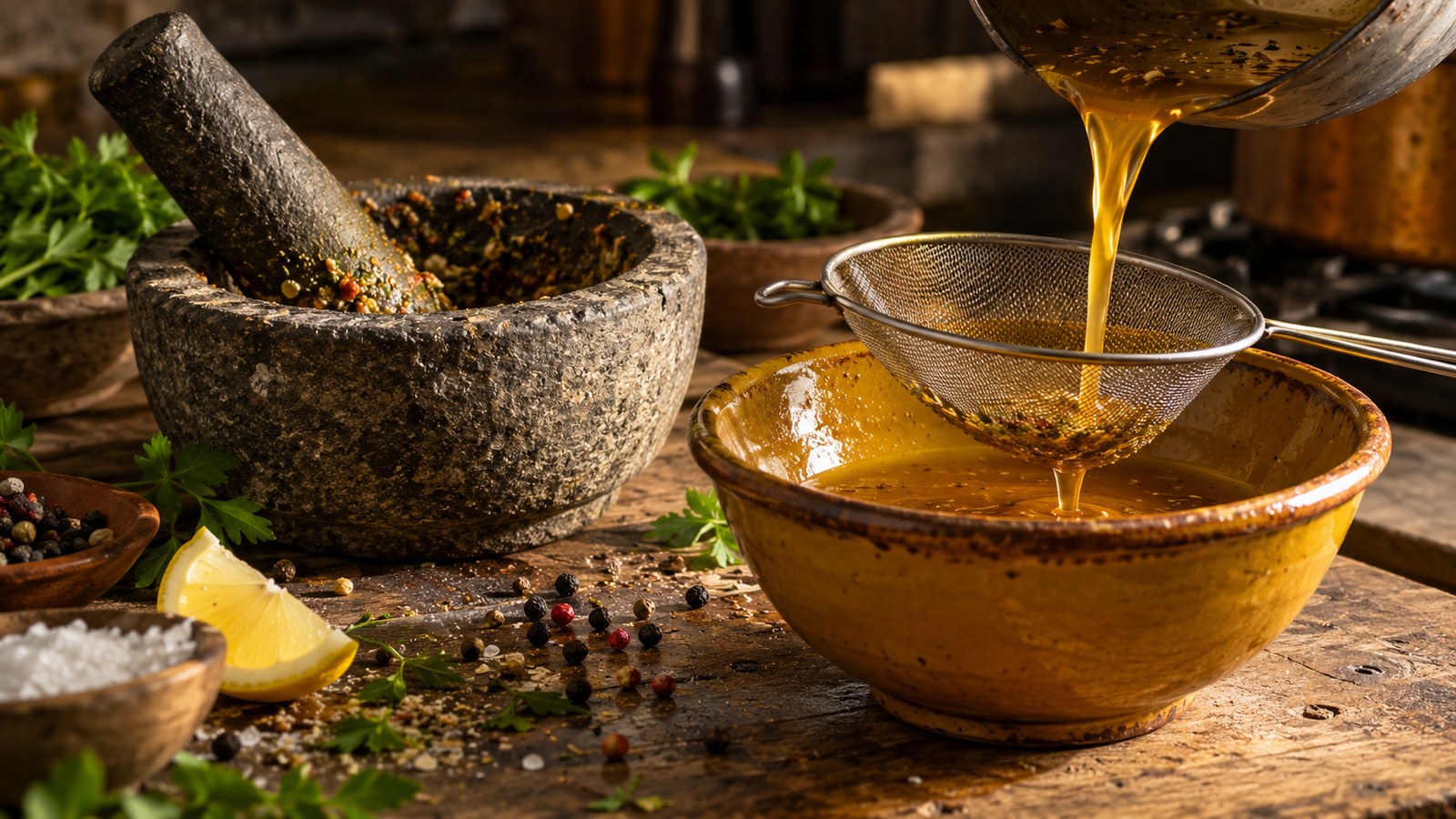
Every sauce is the same thing: something getting in the water's way
Flour, starch, purée, gelatin, egg yolk, butter: they look like six different techniques and they're one. All of them fill a liquid with large particles that obstruct the flow of water. And the word gravy means, literally, 'full of grains'.
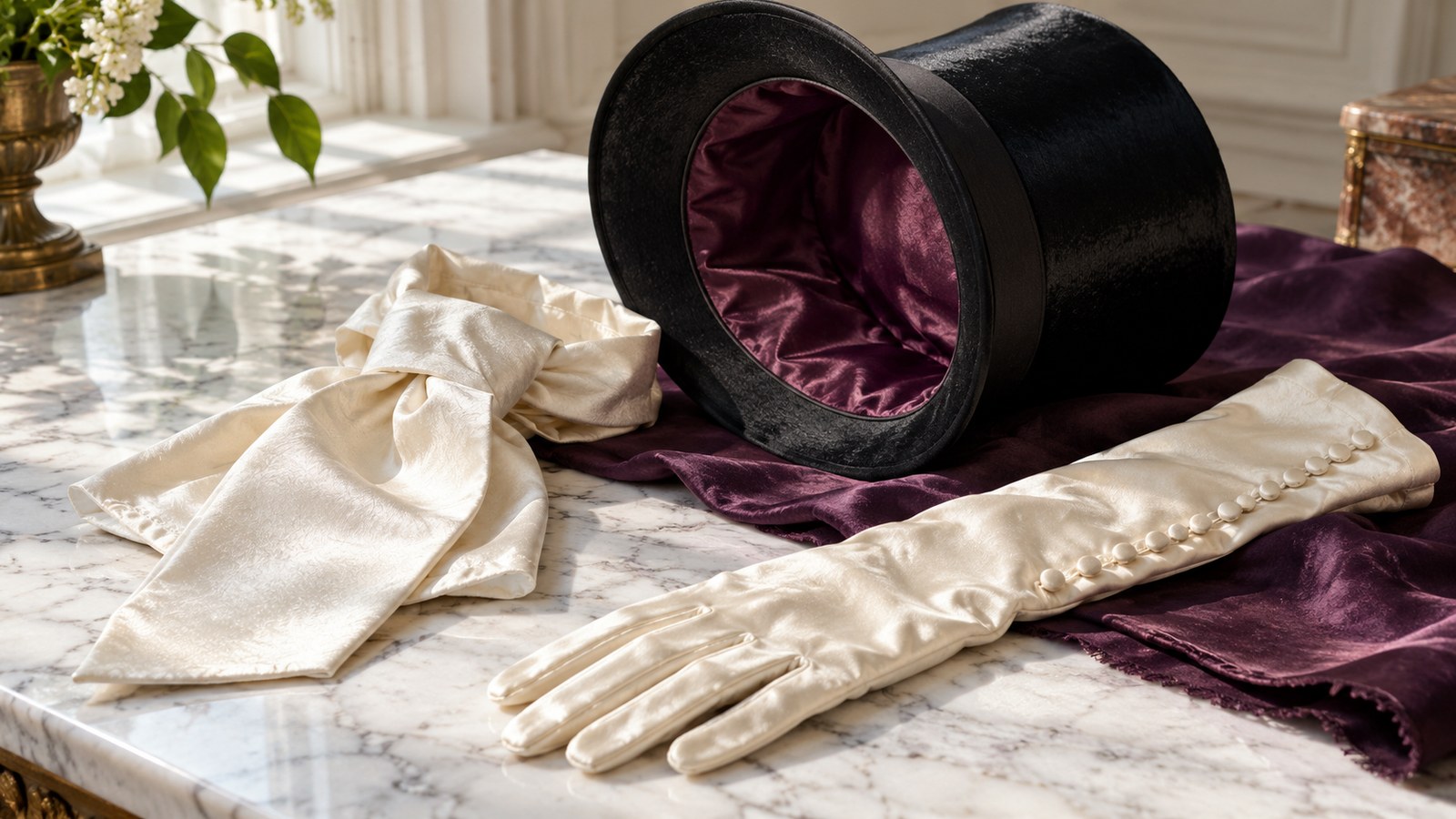
Formal dress is day wear that stopped moving
The top hat and the cravat were ordinary daytime clothing. When everyday dress moved on to the bowler and the tie, the older pieces got locked into the category marked 'formal' and never moved again. That's why black tie looks like 1890.
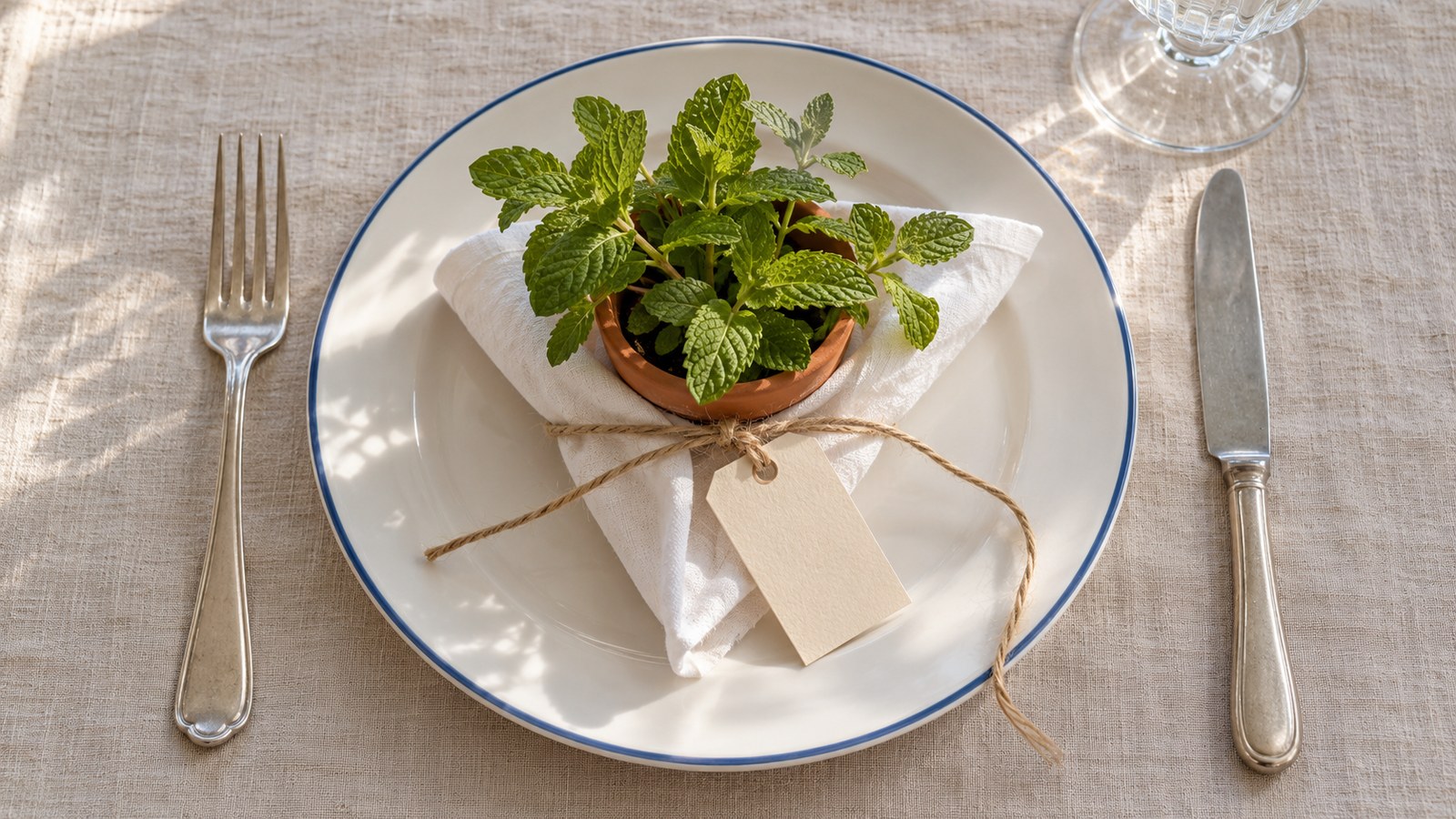
A small pot of mint at each place isn't decoration. It's for your hands.
A napkin tied around a little pot of herbs does three jobs at once: it dresses the place, it seasons the food, and it gives each guest a leaf to clean and scent their hands after eating with their fingers. And it comes from the garden.
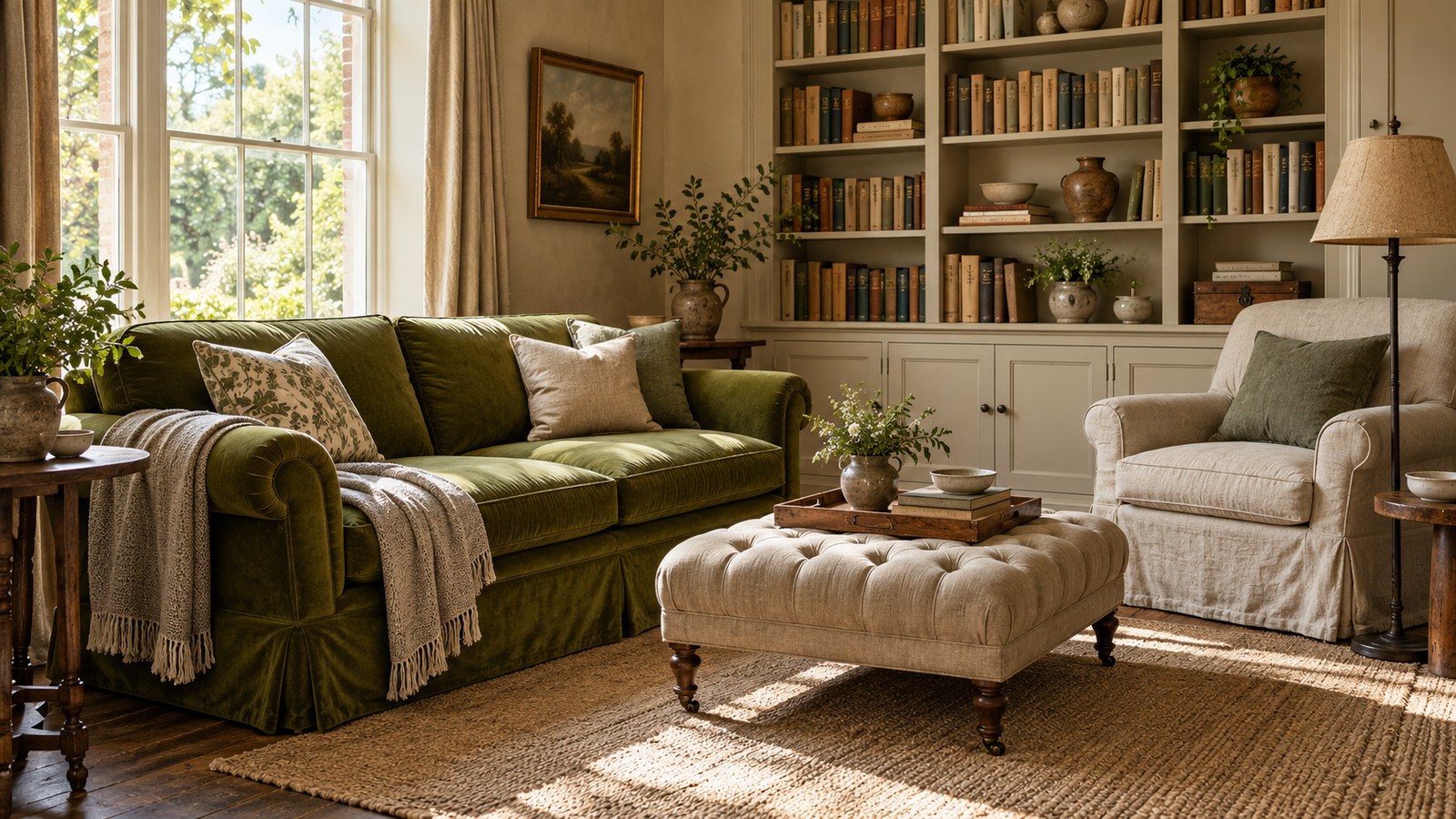
The room you're putting together right now will have its manufacture date stamped on it
A designer argues that filling a handsome house with the furniture of the moment turns the room into a time capsule of that year — and that before long it looks faintly ridiculous. The answer isn't avoiding trends. It's knowing which layer ages.
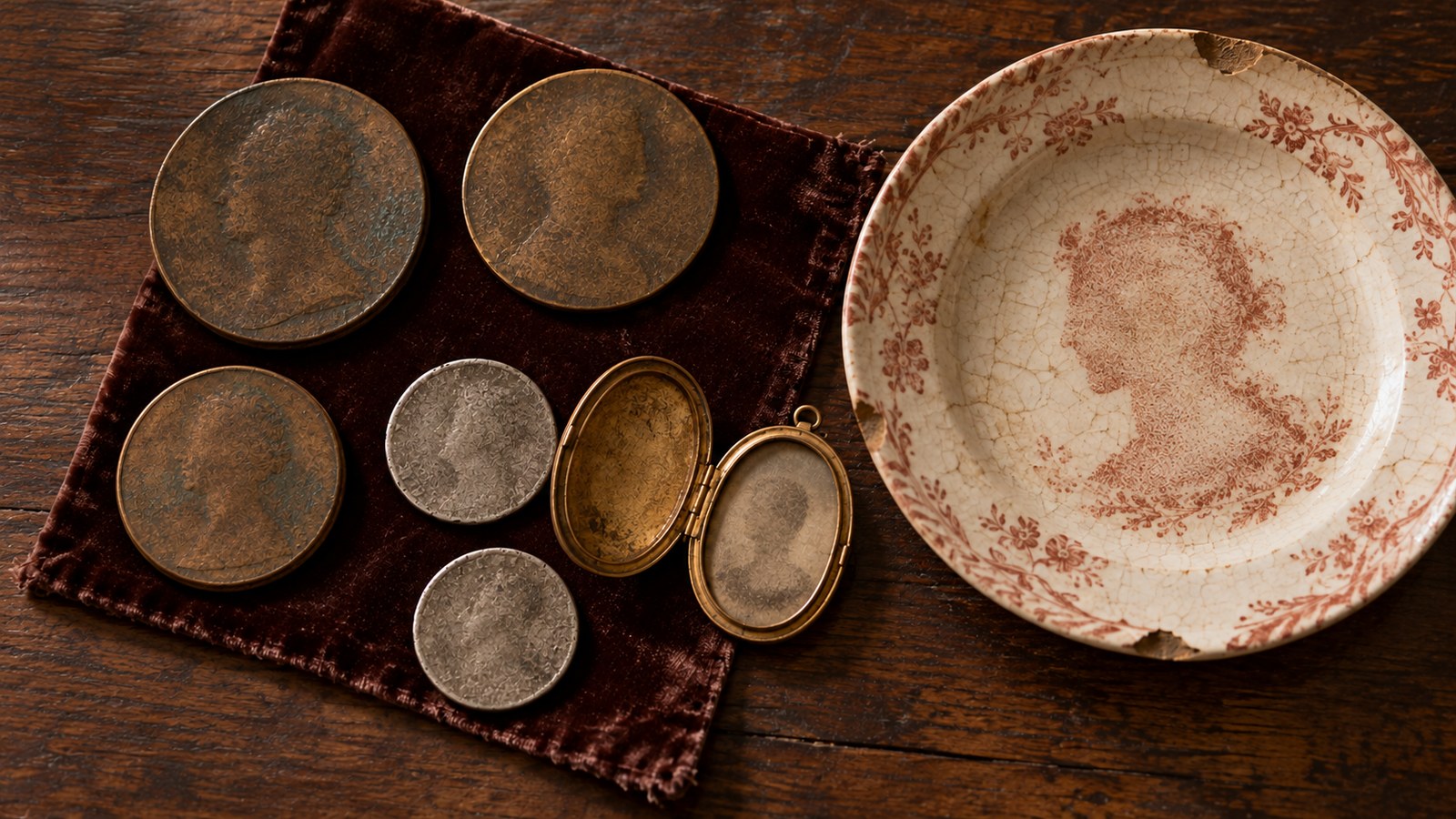
The portrait on the wall has a job, and it was never decoration
A sixteenth-century bishop gathered nearly 400 portraits of illustrious men because he believed looking at them would make people better. The Medici copied the entire collection. And one painter produced a portrait of a man who had been dead 118 years.
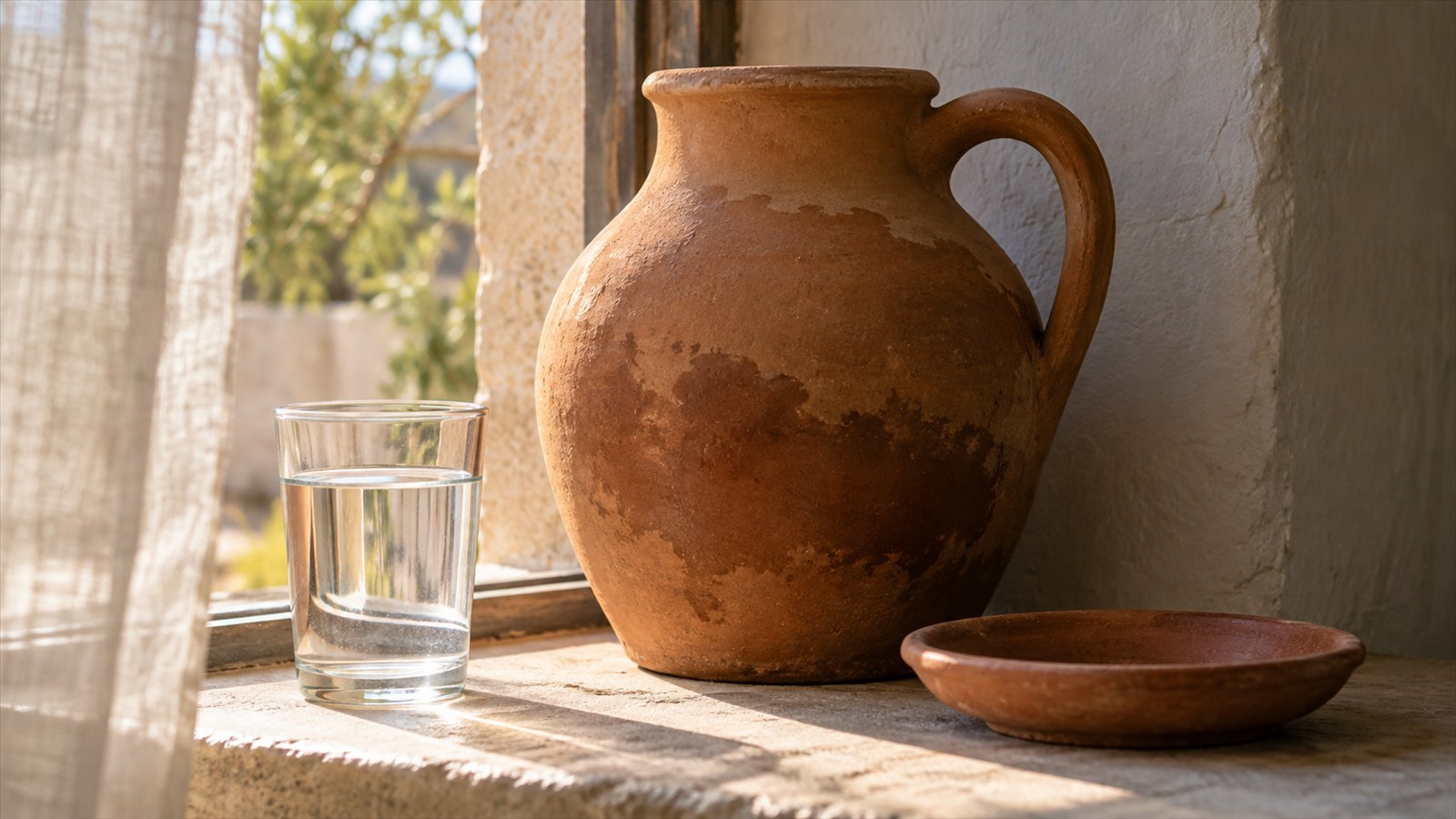
Water is the slowest thing in your kitchen, and that's exactly why steam burns
It takes ten times the energy to heat water as it does to heat iron. That slowness explains the water bath, explains why a covered pan is more dangerous than an open oven, and explains the unglazed clay water jug in your grandmother's house.
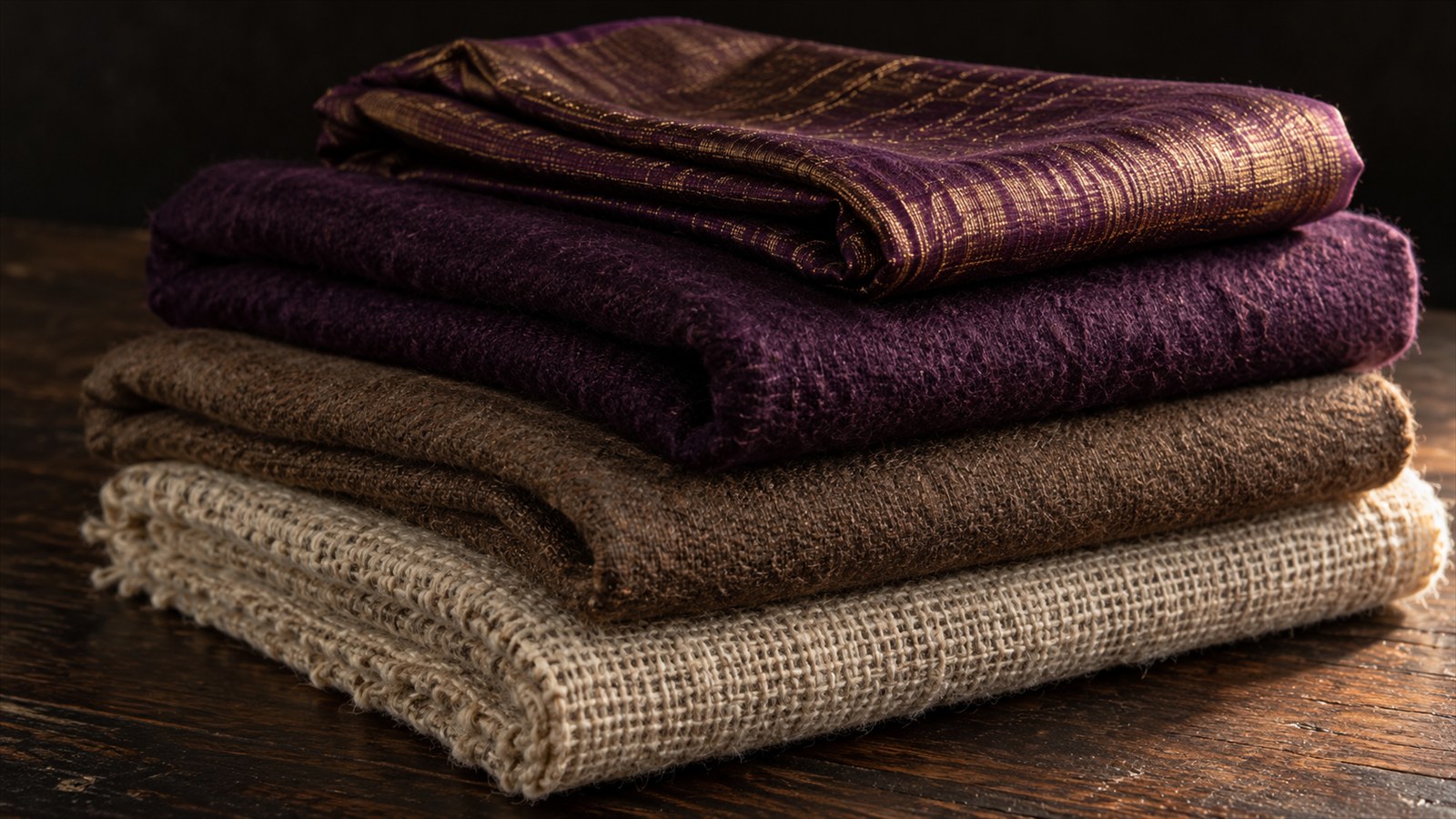
For centuries it was illegal to dress above your class. It never worked.
When good fabric became affordable and the merchant class started imitating the nobility, the response was to legislate: sumptuary laws set out what each social rank was allowed to wear. The book is dry about the result — they were rarely effective.
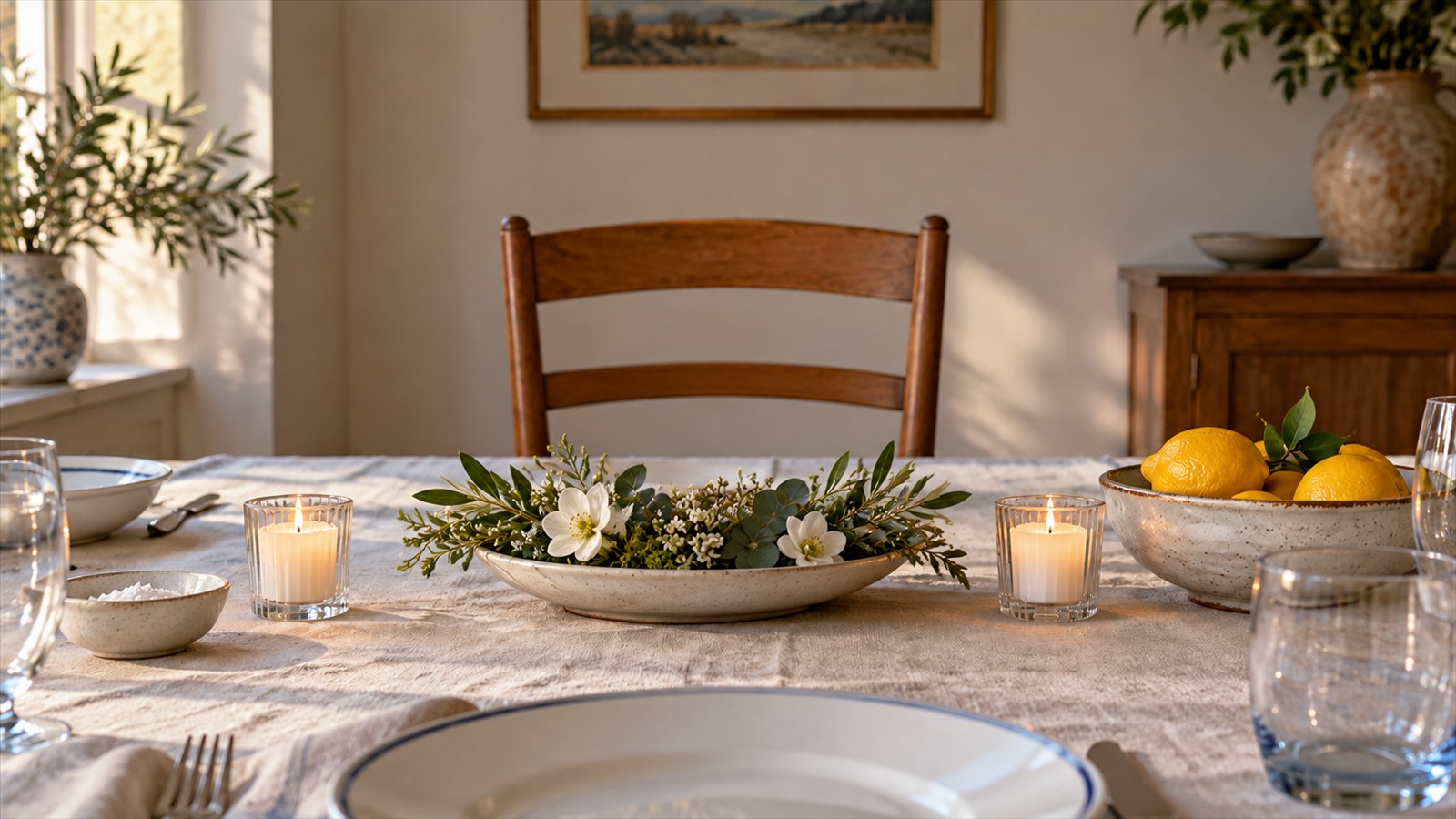
The centrepiece is the only decoration that can ruin the evening
A table stylist describes building the best arrangement of her career on a yacht, then having to take it all off the moment the guests sat down: nobody could see anybody. The test that prevents it is free and takes two minutes.
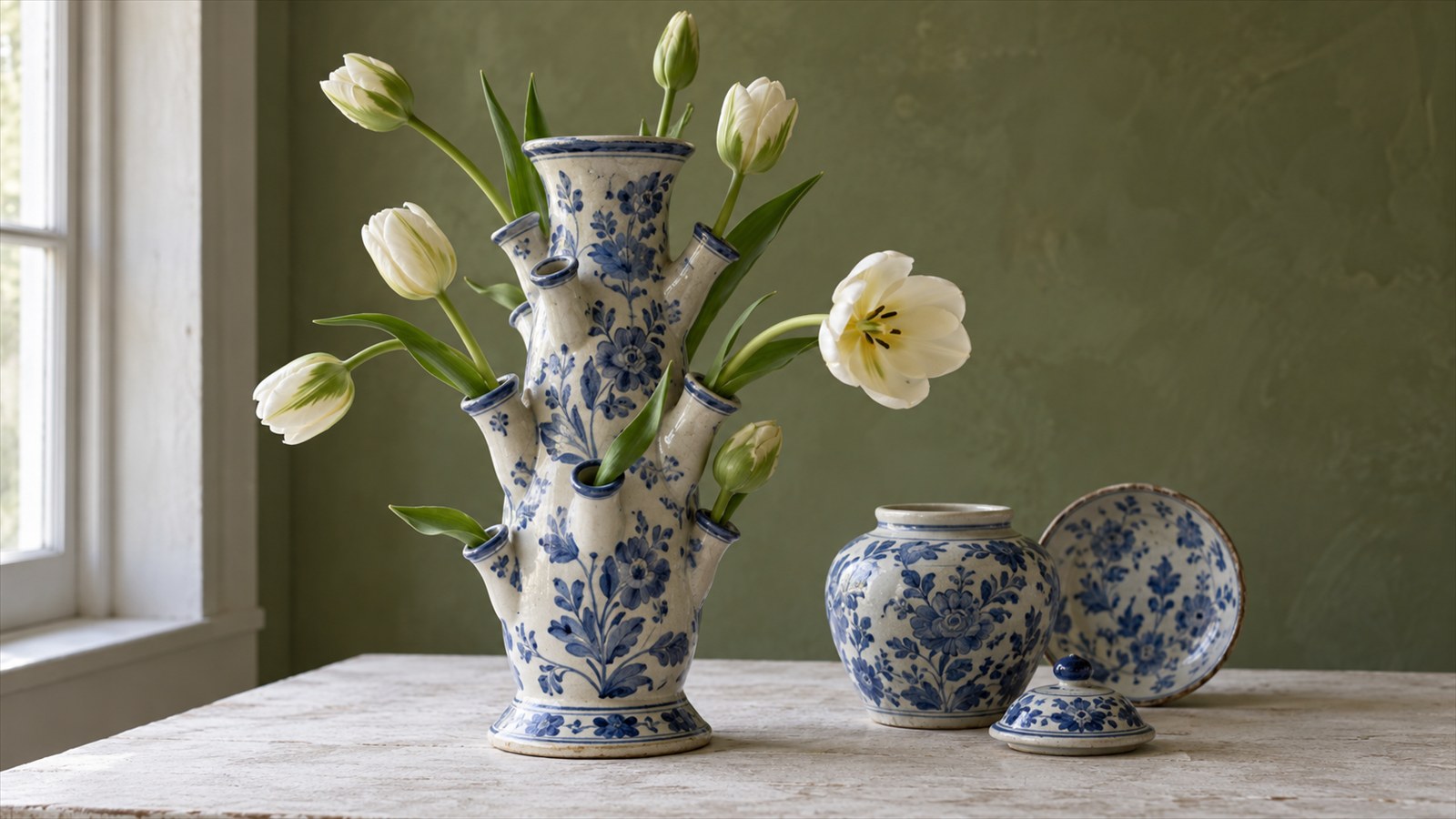
Whoever painted your blue and white was painting in black
The design goes onto the piece in a black glaze. The blue only appears after the second firing, so the painter works from memory. And the whole of delftware exists because Europe couldn't make porcelain and China stopped shipping.
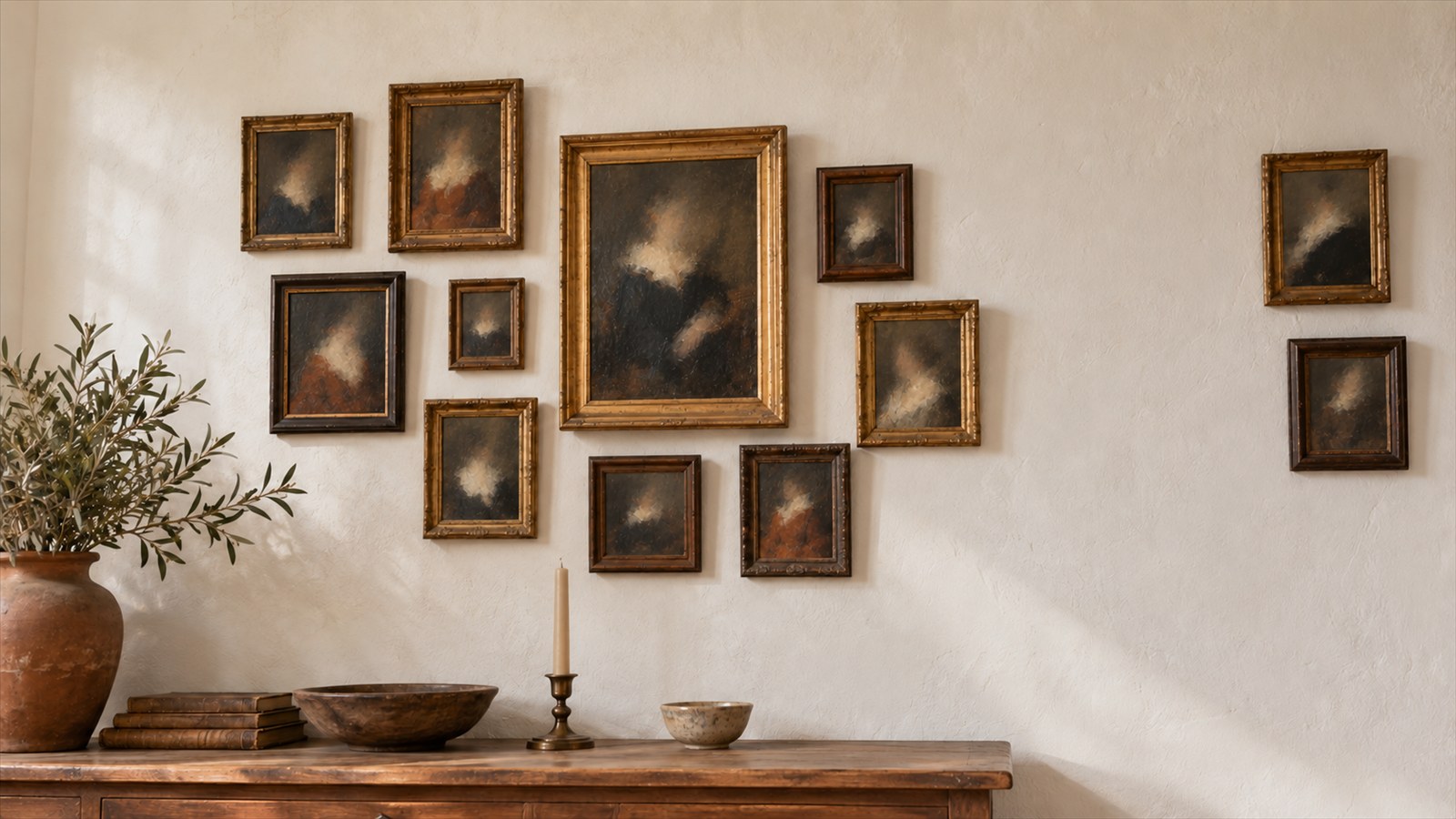
The family photo doesn't record your family. It declares what you want shown.
In a formal group portrait the relationship between people is stated by space: who's in the middle, who takes up more canvas. And the art historian warns that none of it is evidence of how that family lived — it's evidence of how they wanted to be seen.
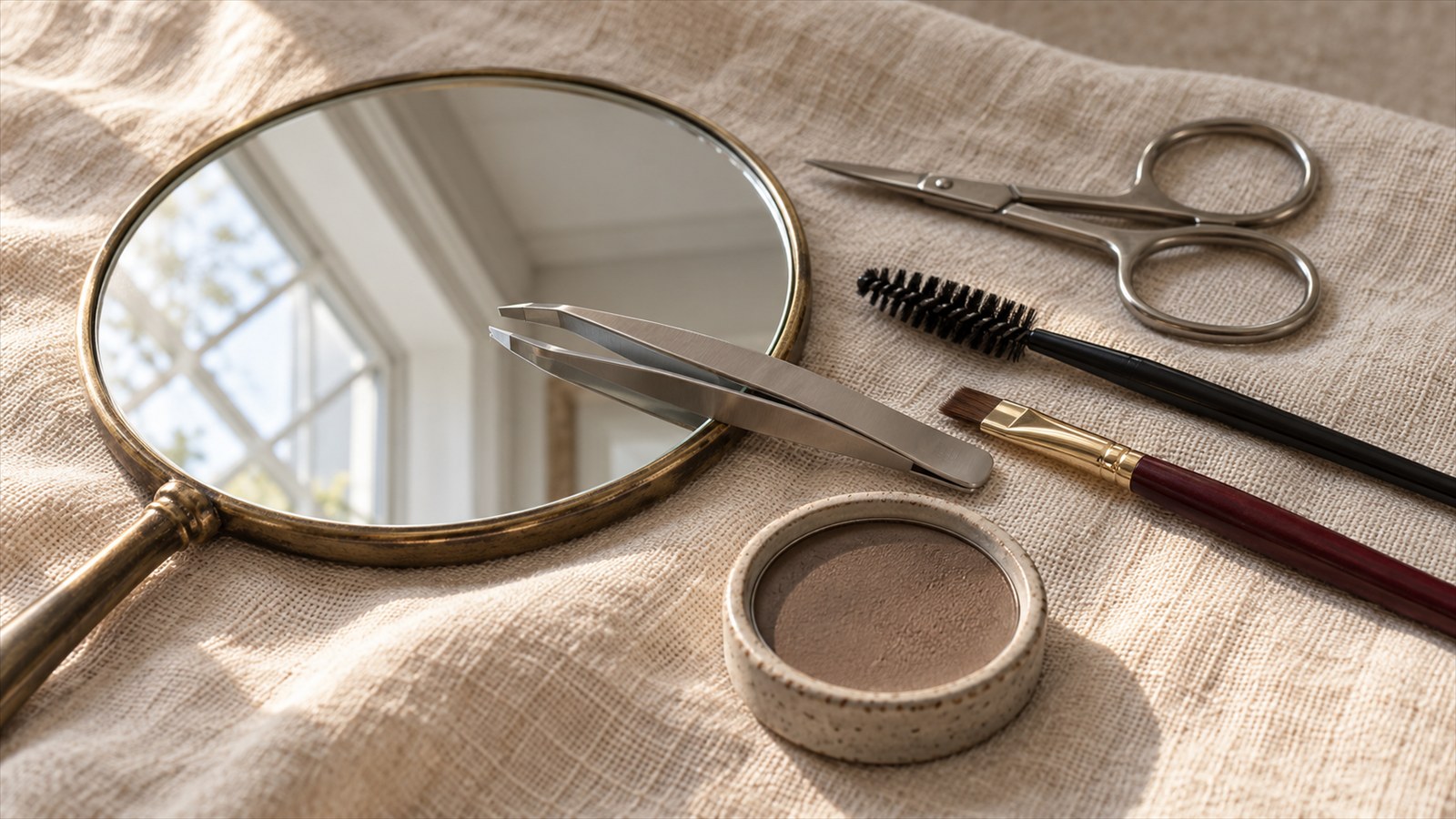
If you're right-handed, it's probably your left eyebrow that's too thin
A brow professional says she can usually tell whether a client is right- or left-handed just by looking. The hand that crosses your face loses perspective and takes too much. And the two places where taking too much doesn't grow back have names.
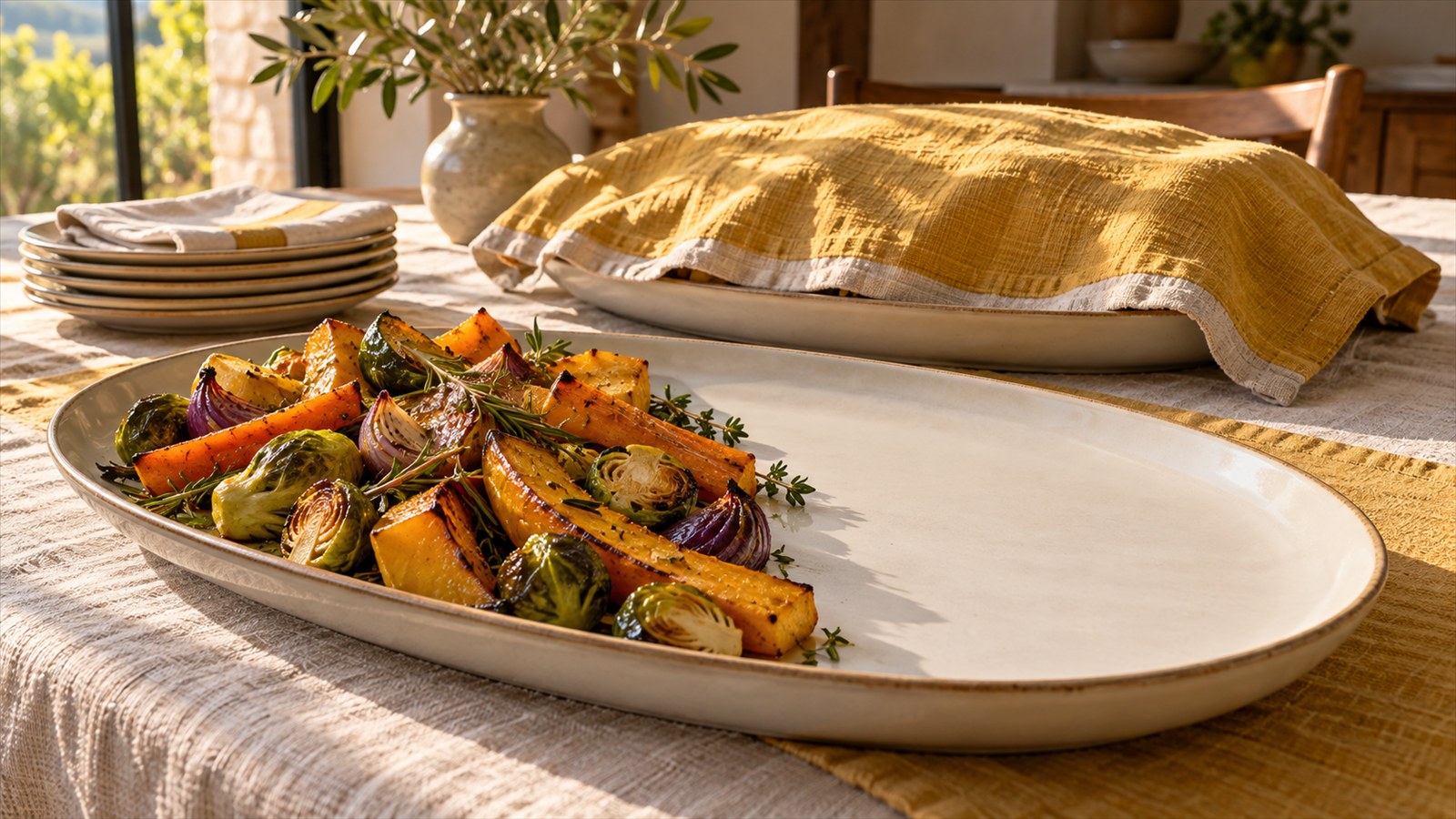
Food on the table has two hours. In the heat, it has one.
I thought putting out half and holding half back was a styling trick, so the bread wouldn't dry out. It is that too, but the real reason is a clock. And at a Brazilian Christmas that clock runs twice as fast as the book assumes.
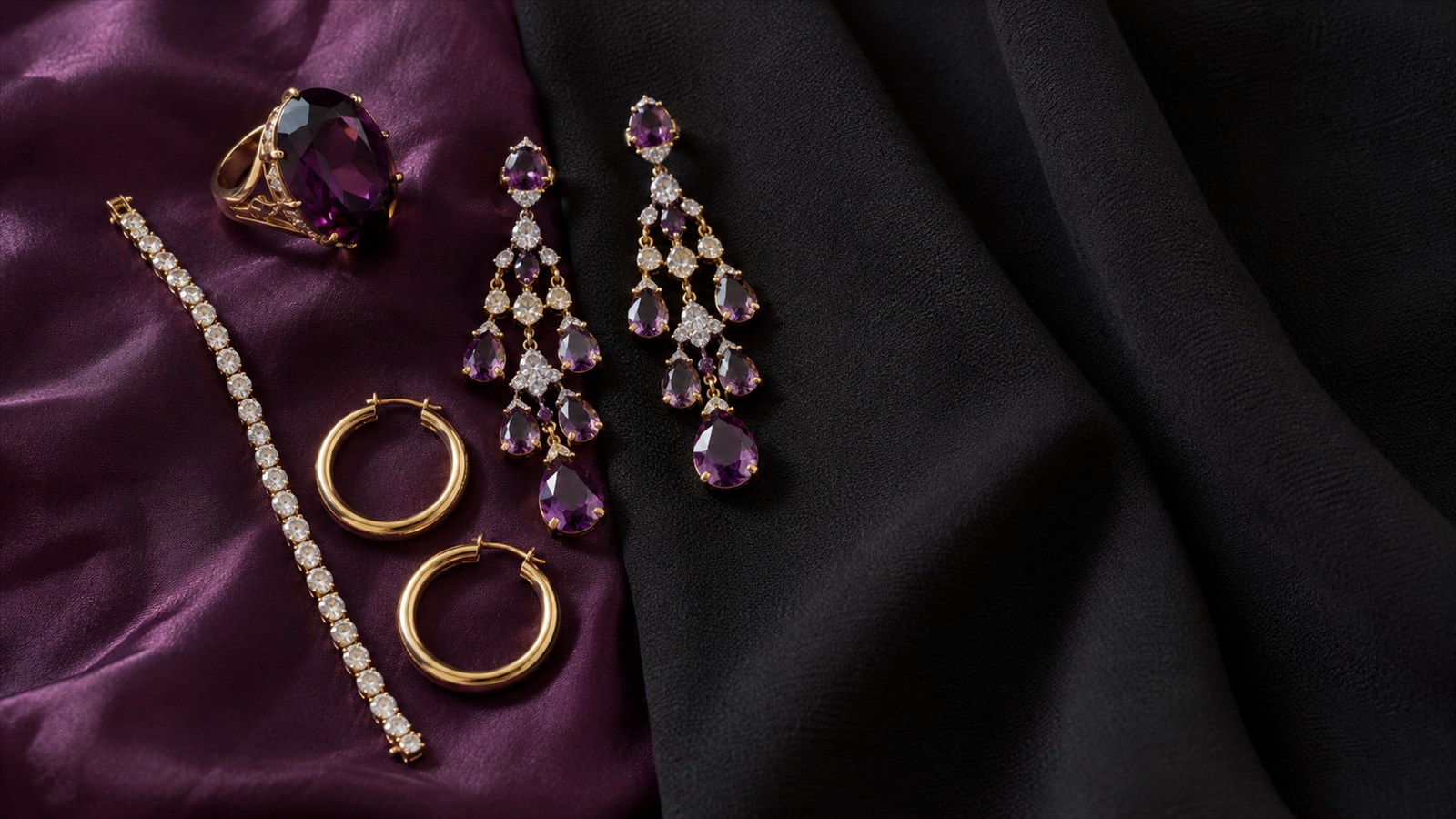
The cocktail ring exists because the dress got simple
In the 1920s the silhouette quietened down, and the jewellery grew to balance it. The chandelier earring arrived when hair got short and necks were suddenly bare. And the tennis bracelet was called something else until 1987.
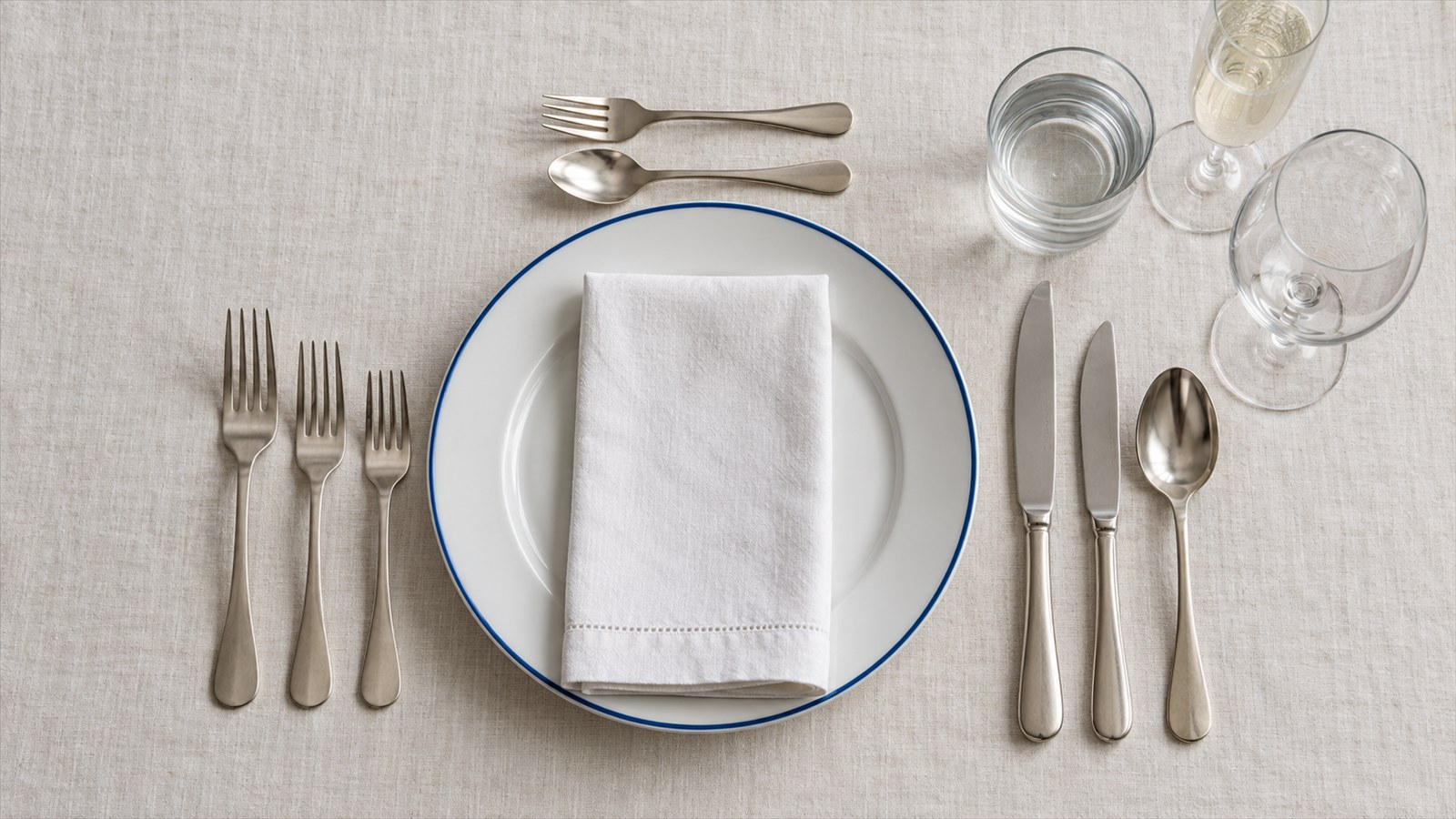
The table already told you how many courses are coming, and when the toast is, before anyone spoke
The number of utensils tells you how many courses you're getting. The position of the champagne glass tells you whether the toast comes before the meal or after the main. And there's a way to fold a napkin that keeps every mark on the inside.
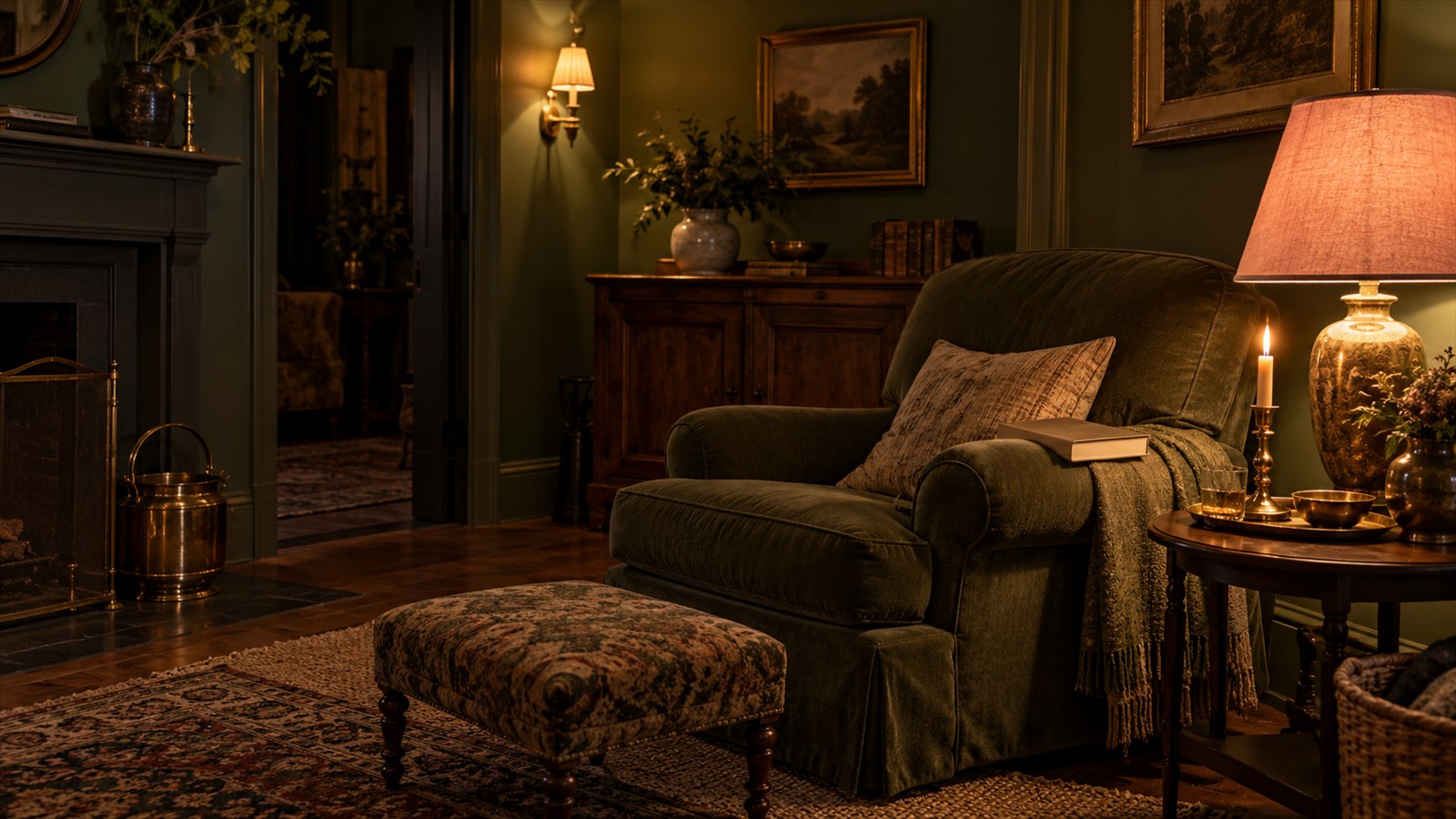
Your living room was decorated for daylight, and you only live in it after six
Flat paint drains the light out of a dark wall and a sheen gives it back. Overhead light looks like a hospital ward. And there's an eighteenth-century lamp whose shade travels down with the candle as it burns.
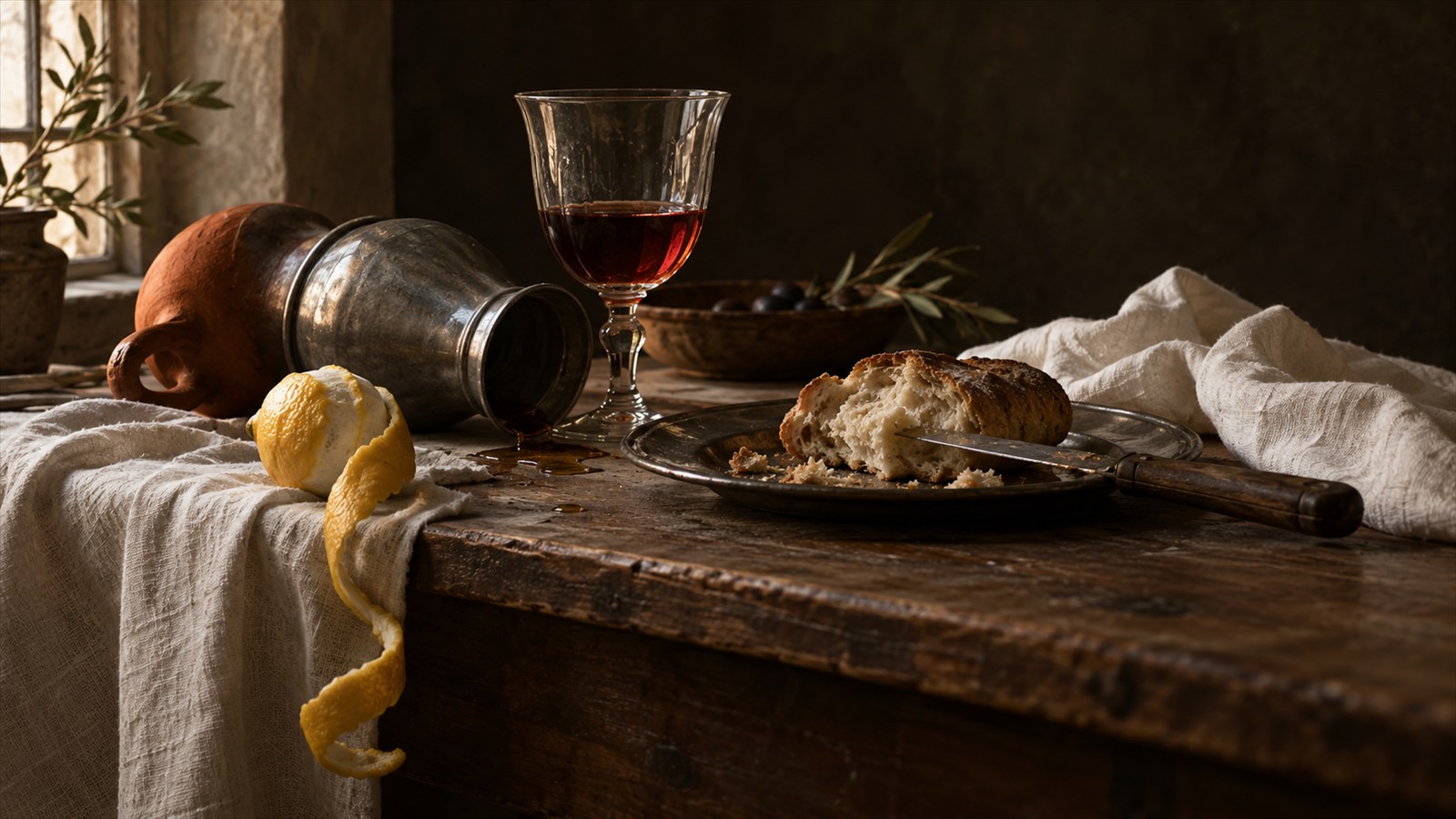
Two Dutchmen spent their lives painting the table after the meal
Not the table laid before anyone arrives. The table with the glass half down and the peel curling. And one of the two, who could paint silver and luxury, preferred ordinary households.
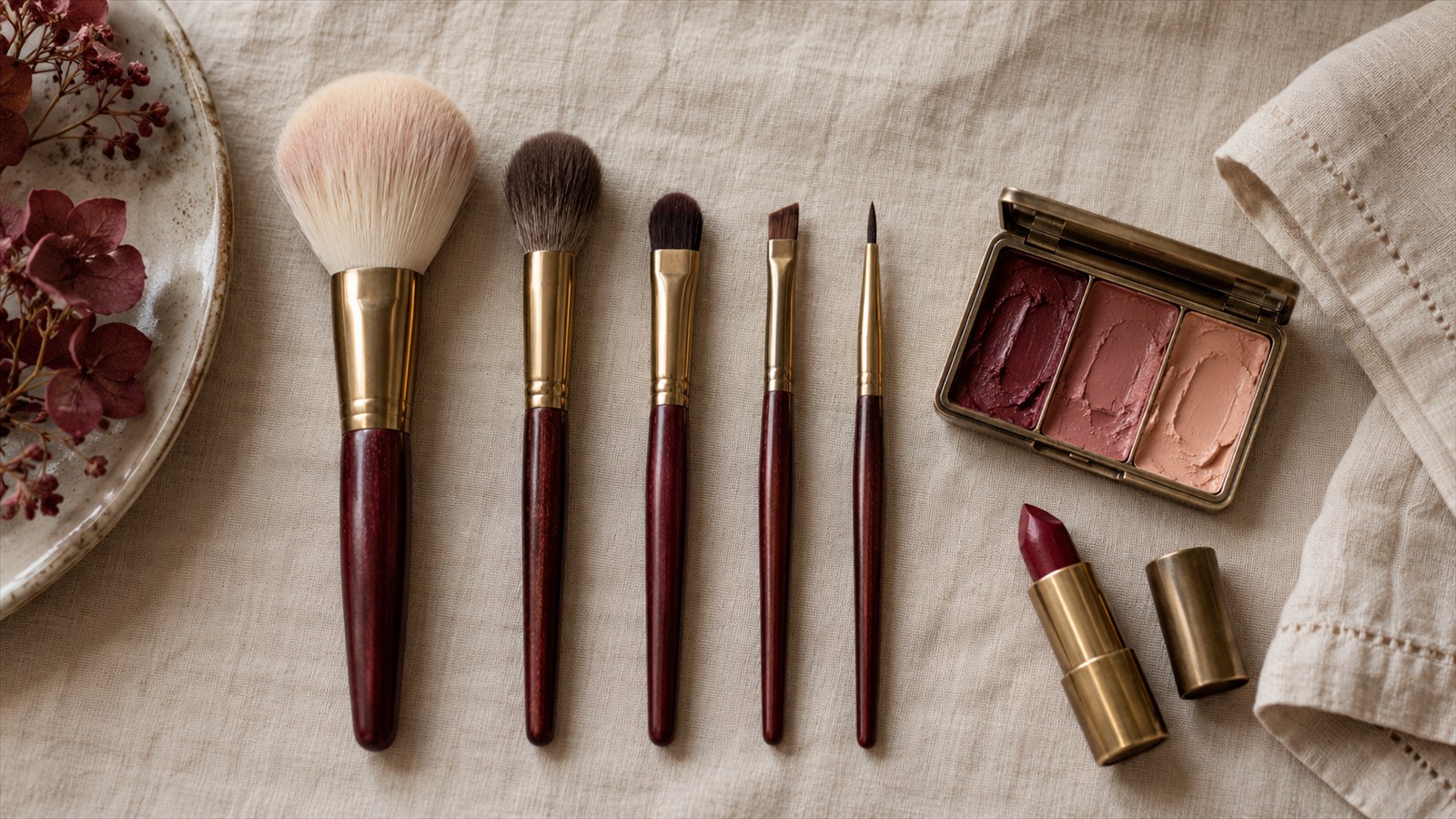
You don't pick a brush by price. You pick it by the texture it has to move.
Natural hair is for powder, synthetic is for cream, and that isn't a quality ladder. It's physics. And there's one way of washing them that will take apart even the most expensive brush you own.
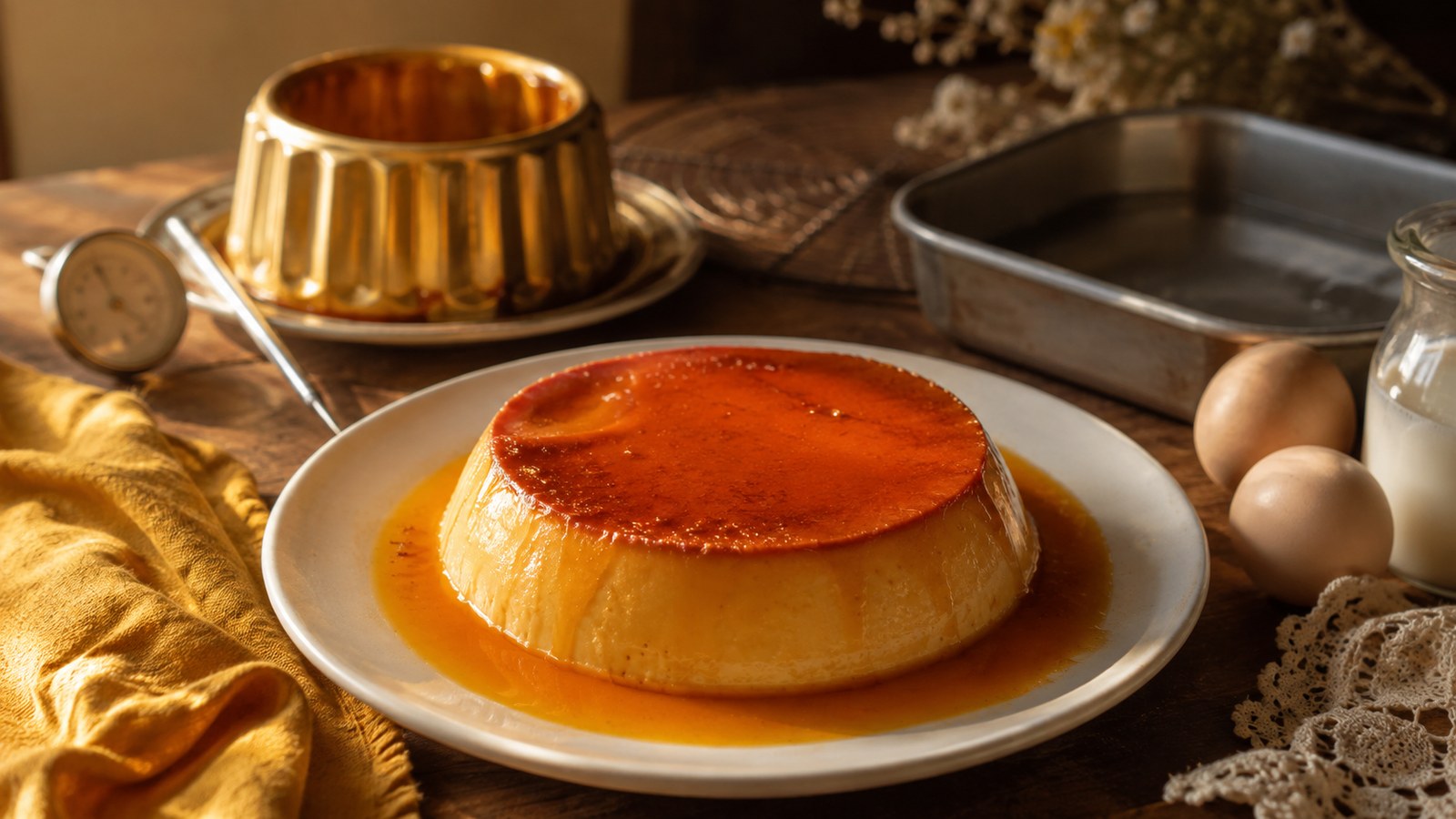
In a Custard, One Egg's Proteins Have to Hold 18 or 20 Tablespoons of Liquid. In Scrambled Eggs, Three.
That's why a baked custard is harder than an omelette, and why it weeps. The protein network is stretched to its limit, and the margin between set and collapsed is about five degrees.
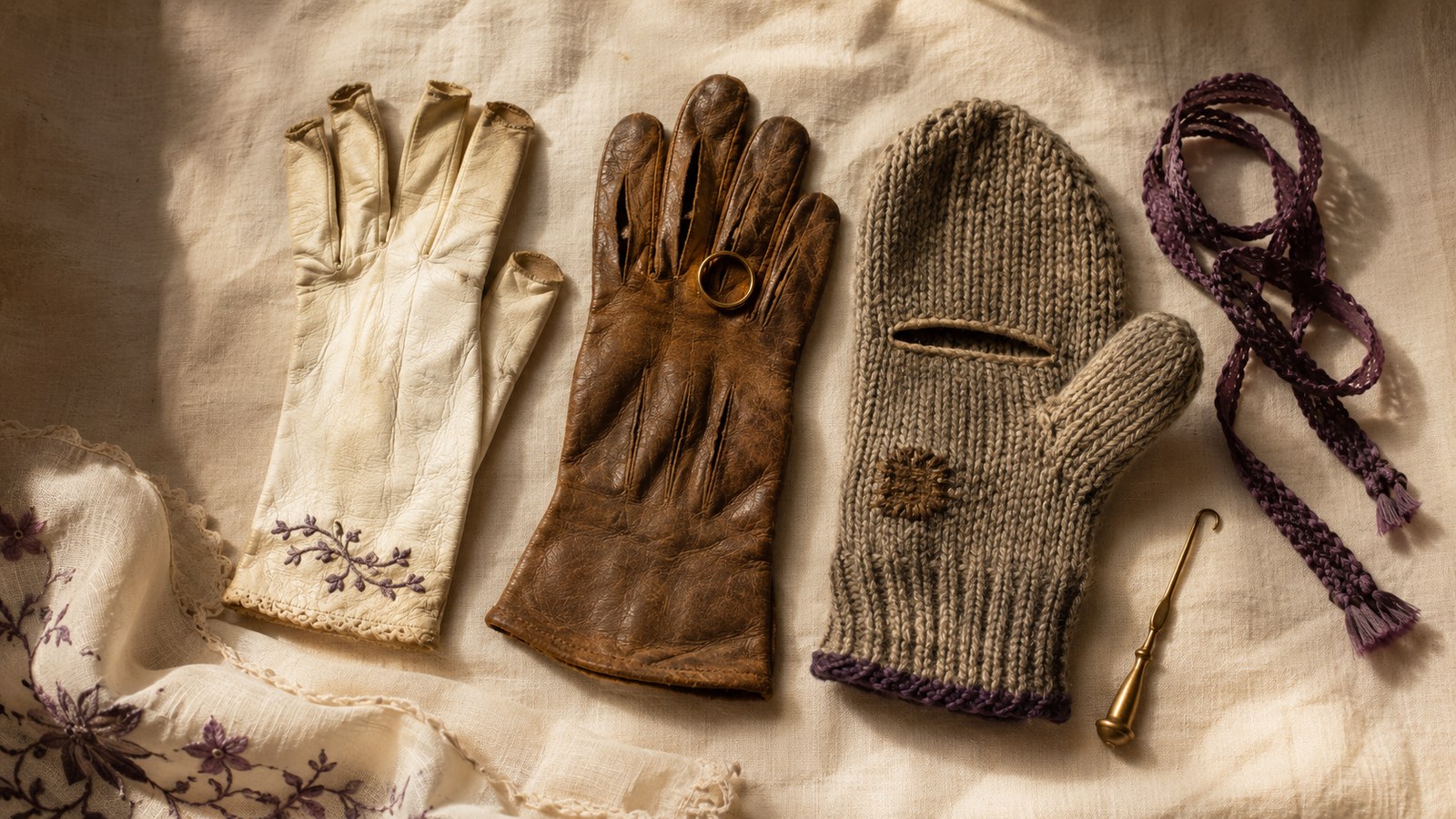
Between 1700 and 1750 There Were Women's Gloves With the Fingertips Cut Open. Nobody Wrote Down Why.
The dictionary records the fashion, the date, the gender, and two household accounts from 1719 and 1740. It gives not one line of explanation. The glove spent six hundred years negotiating how much of the hand to give back.
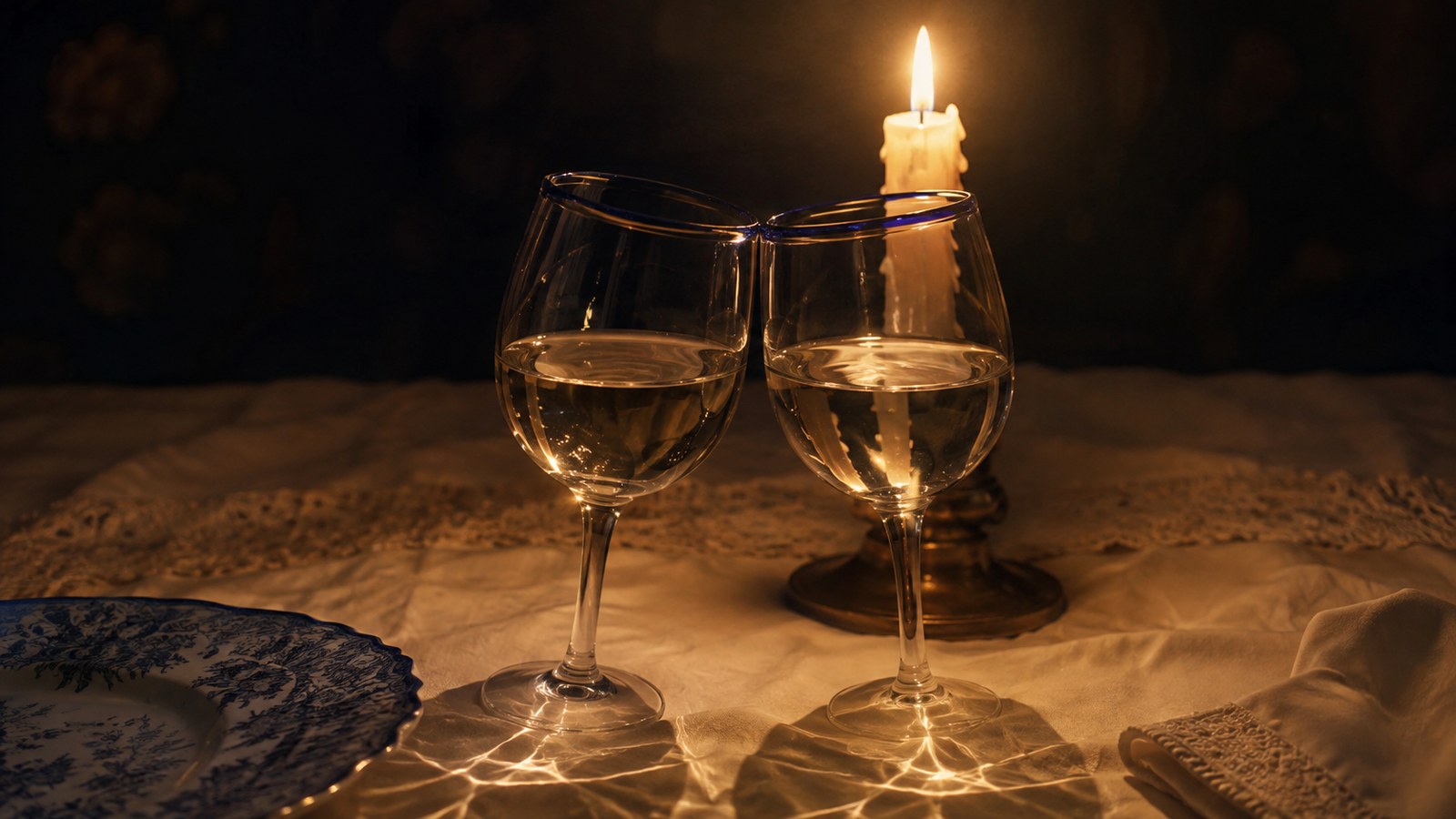
Clinking Glasses Began as an Imitation of a Bell
In the early Christian era people believed evil entered the body through drink and was driven off by the sound of bells. Glasses were struck together to make that sound. The gesture outlived the reason, and the toast is still the only moment at a table when somebody has to speak.
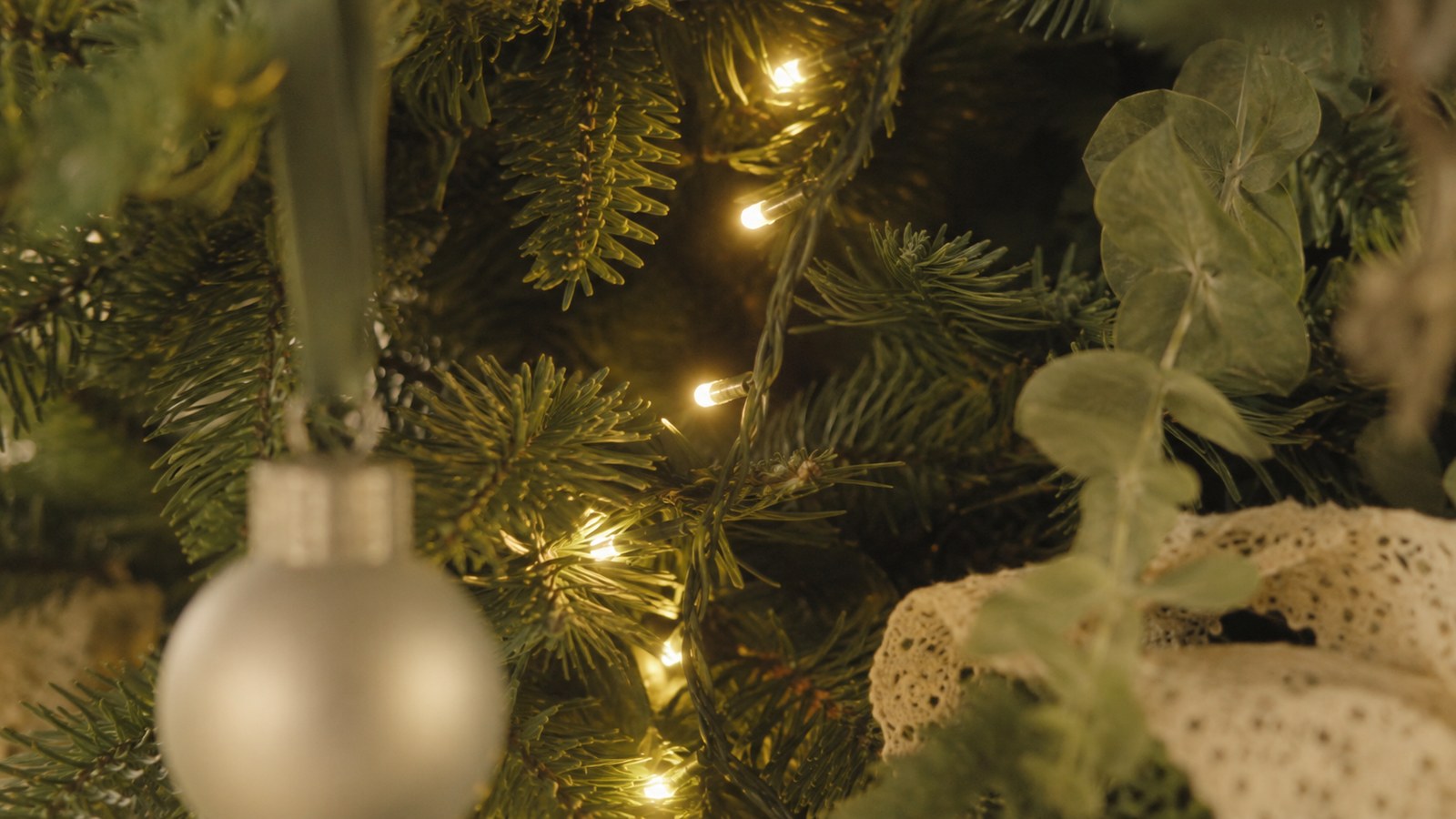
Fairy Lights Aren't Decoration. They're Spotlights, Which Is Why They Go On Vertically.
Strung along the branch, half the bulbs sit on top of the foliage and light nothing. Run vertically, they fall into the gaps. It's the difference between decorating a tree and switching one on.
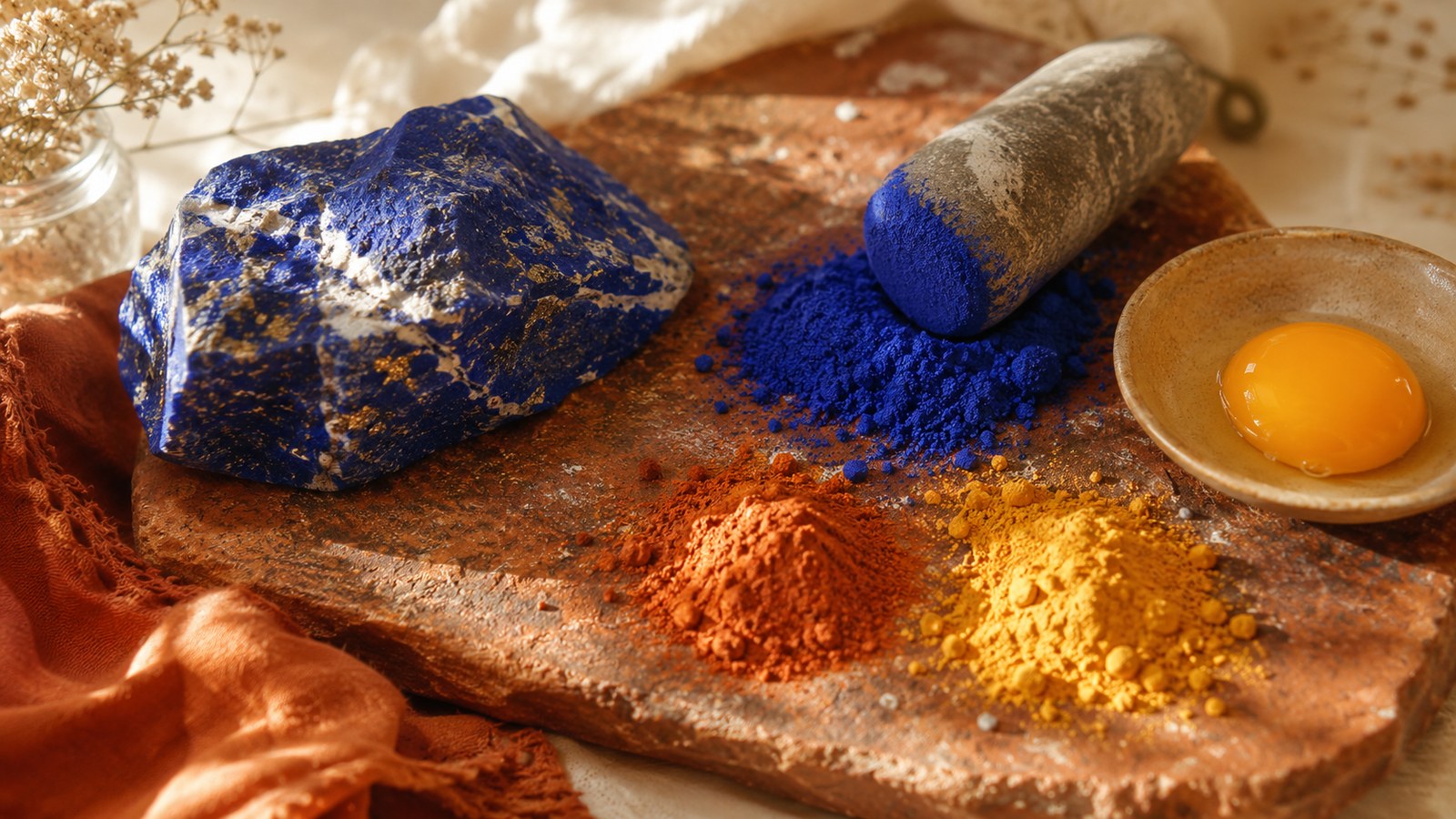
The Blue in a 1520 Painting Cost More Than Gold, and Came From One Place on Earth
Ultramarine is made by grinding lapis lazuli, and at the time the stone came only from Afghanistan. Titian used the most expensive blue there was with declared extravagance, in a picture made for one duke's study.

Around 1500, an Italian Noblewoman Collected 454 Recipes. Nearly Half Were About Beauty.
Sixty-six are classified as cosmetic. The scholar who translated the manuscript puts the real number at 192. And she gathered them by writing letters to other women.
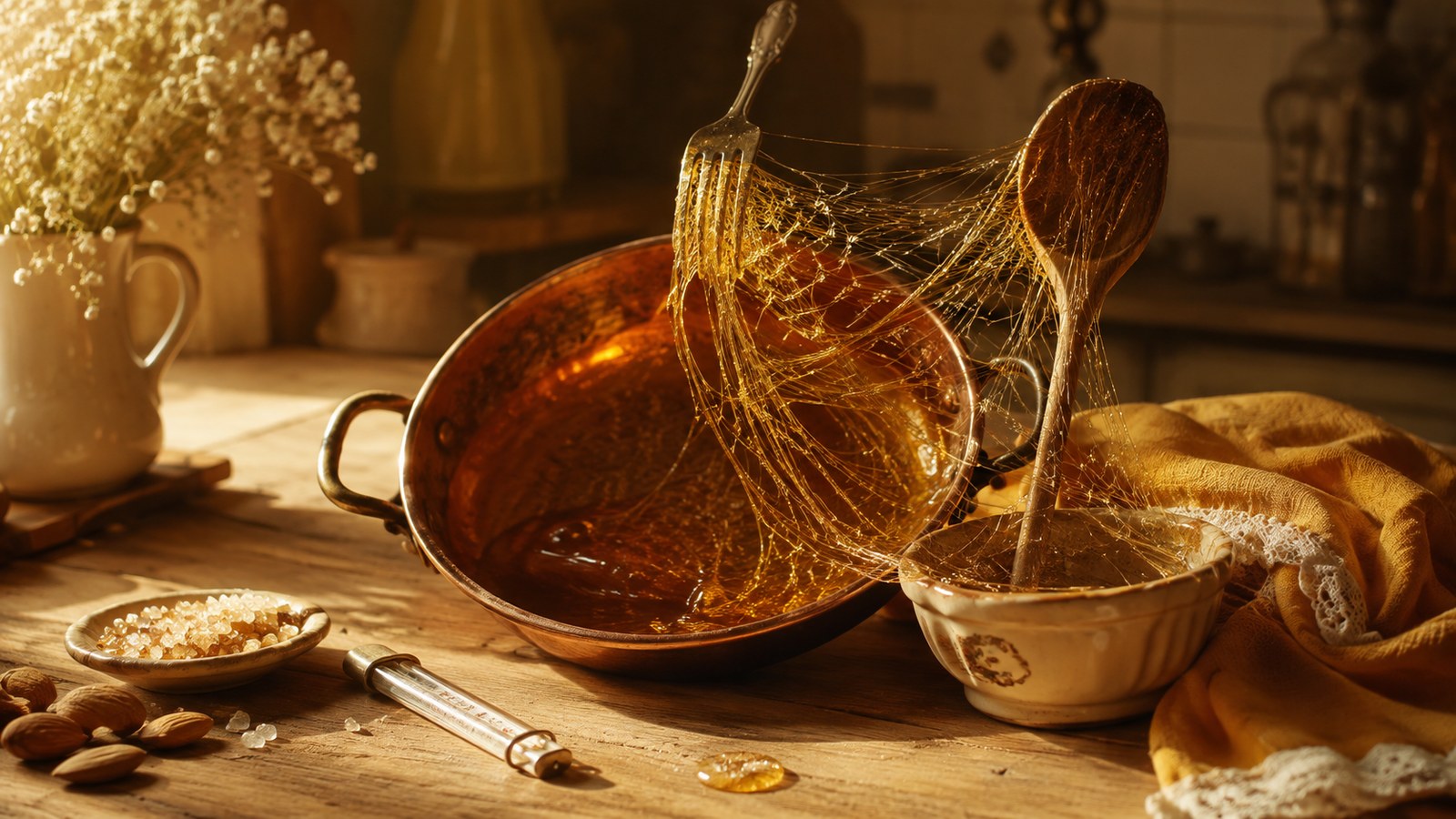
By the 1600s, Court Confectioners Were Building Whole Table Settings Out of Sugar
Entire services and massive decorations, made of sugar. They could only do it because they had worked out a ladder of temperatures, and that ladder still decides whether your sweet turns into caramel or into fudge.
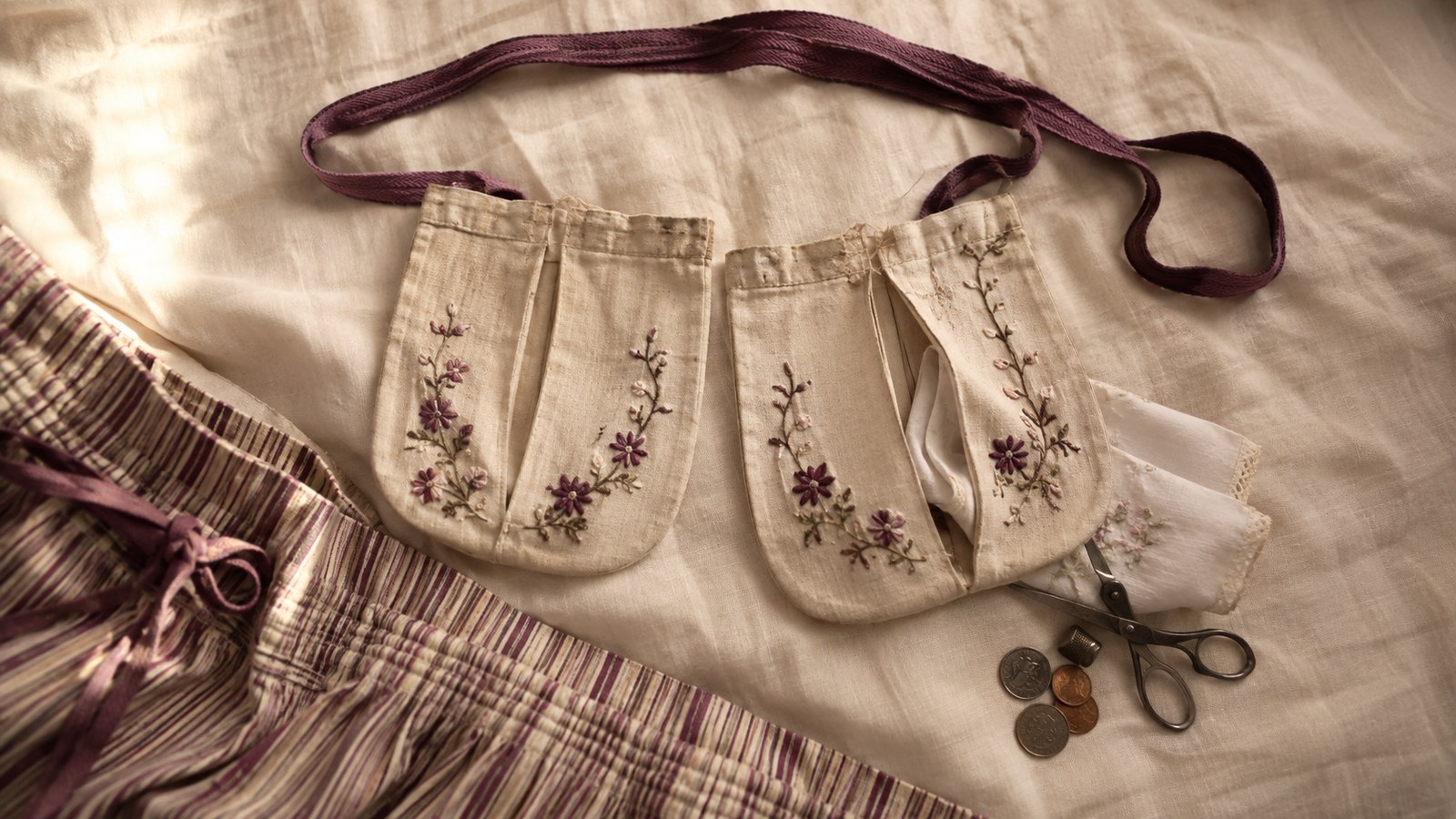
In the 1700s a Woman's Pocket Was a Loose Bag Tied Round Her Waist, Under the Dress
It wasn't sewn into anything. It was a flat bag, or a pair of them, held on by a tape and reached through a slit in the skirt. And it was embroidered, even though nobody saw it.
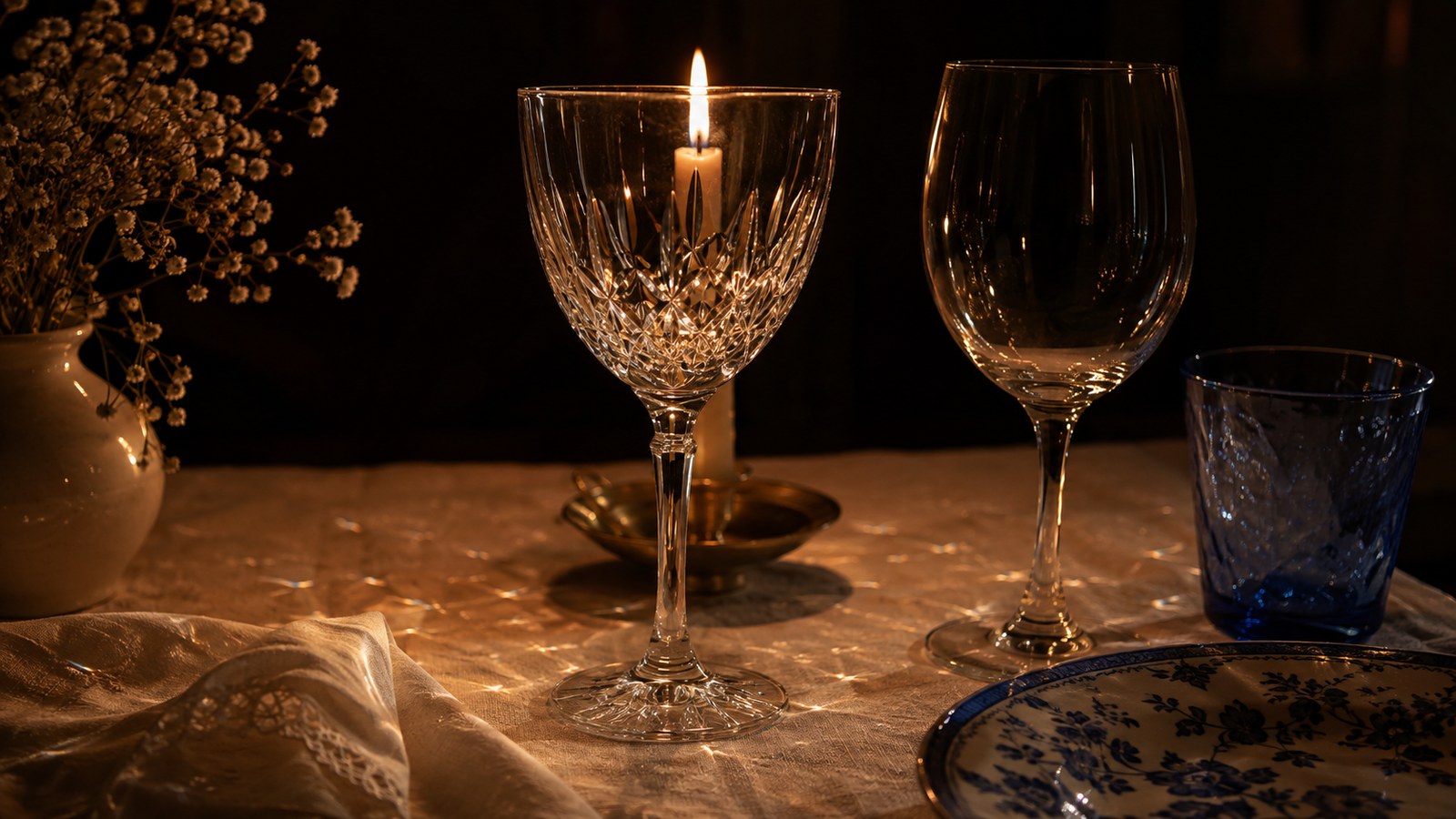
On 8 November 1291, Venice Threw the Glass Furnaces Out of the City
The furnaces burned day and night inside wooden glasshouses and threatened the lives of the citizens. The decision was a safety one, and it created Murano. Everything that sparkles on your table descends from a chain of accidents and taxes.
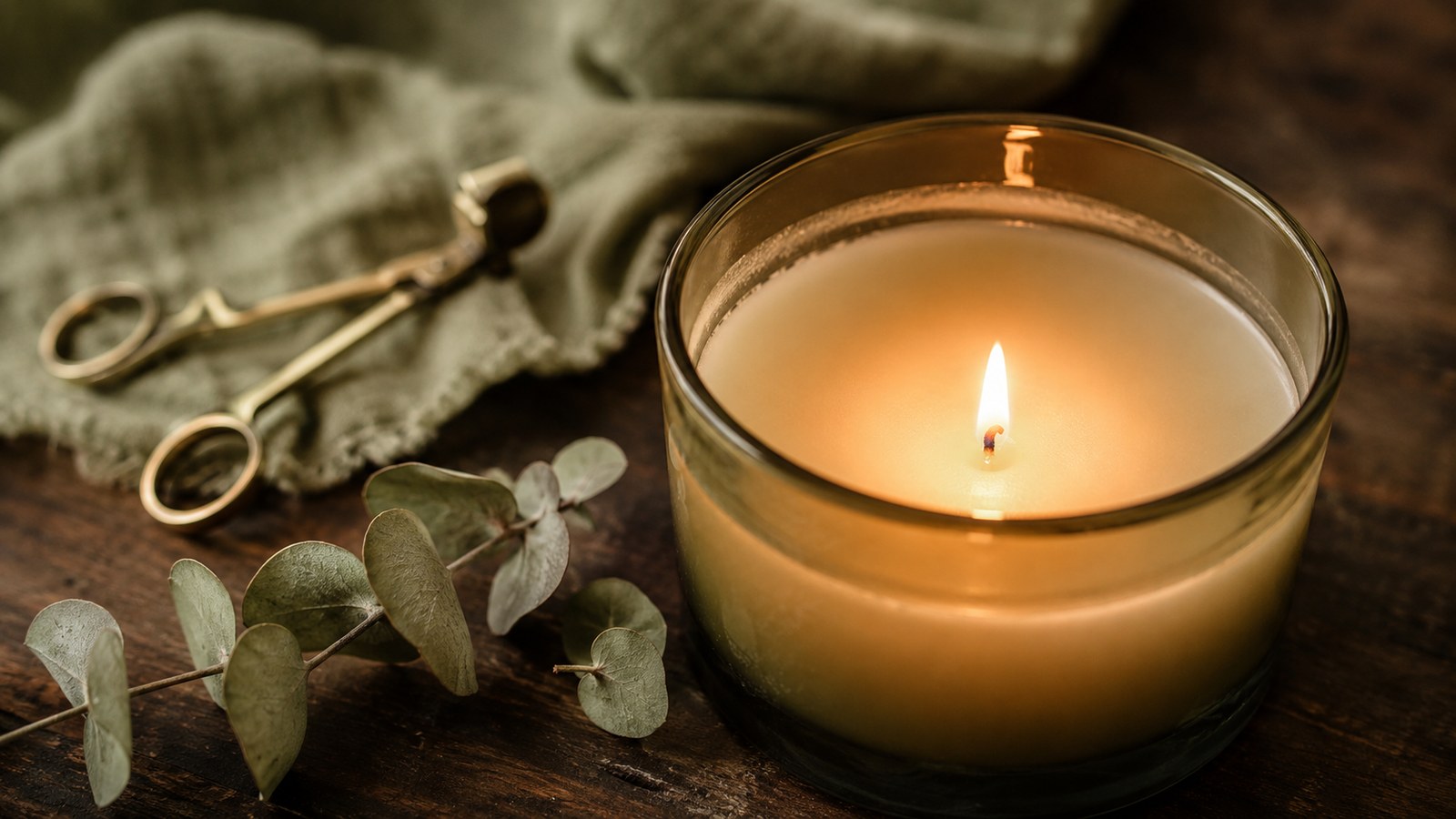
Many Candles Only Have Scent in the Top Layer. It's There So You Smell It in the Shop.
If your candle stopped smelling after two burns, you didn't imagine it. And there is one place a scented candle shouldn't be at all: the dinner table.
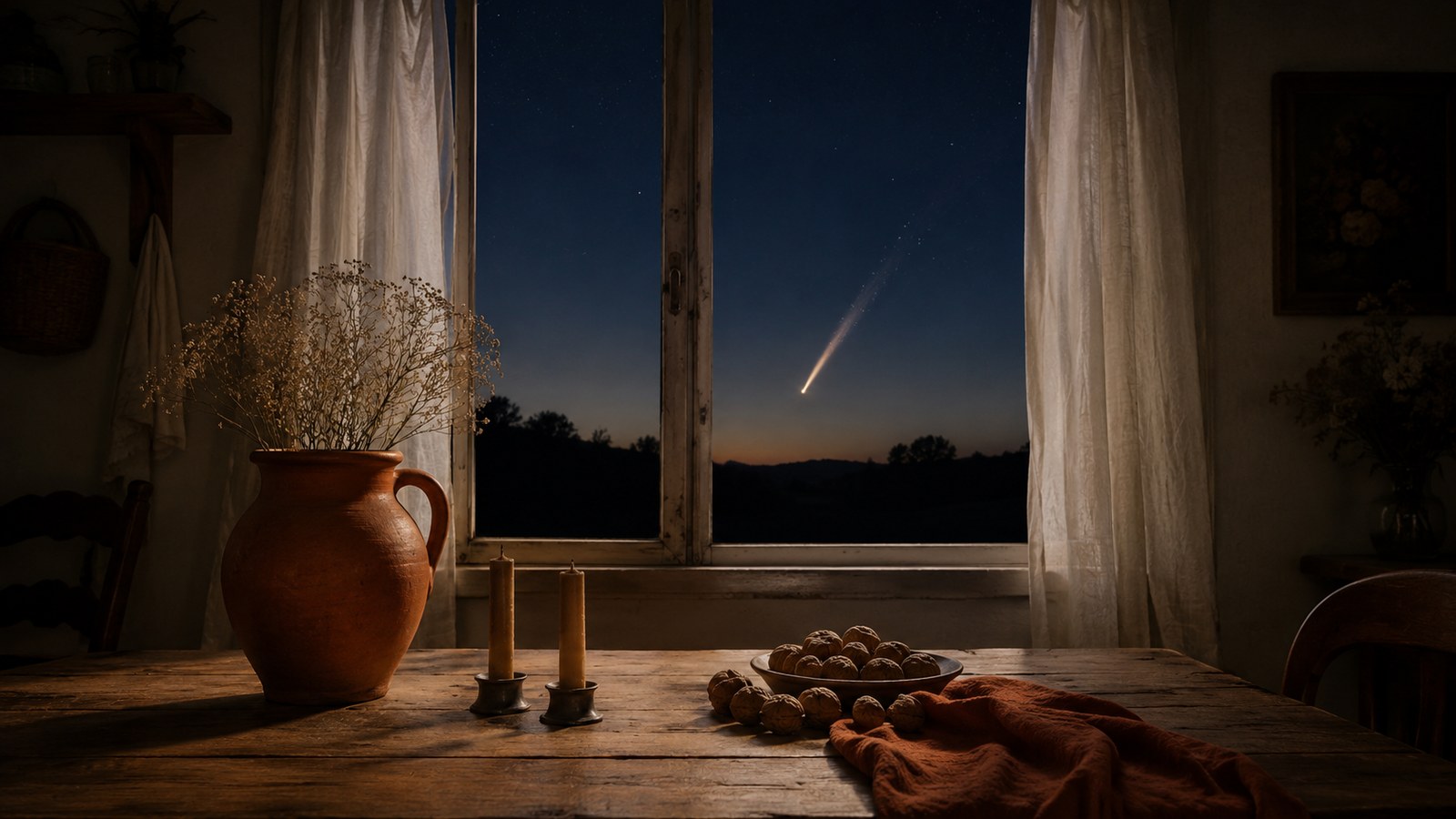
Halley's Comet Appeared in 1301. Giotto Painted It Where the Star of Bethlehem Should Be.
Most people read the comet as a bad omen. Giotto swapped the expected symbol for something you could actually look at in the sky. A hundred and twenty years later, another Adoration was commissioned to advertise the man who paid.
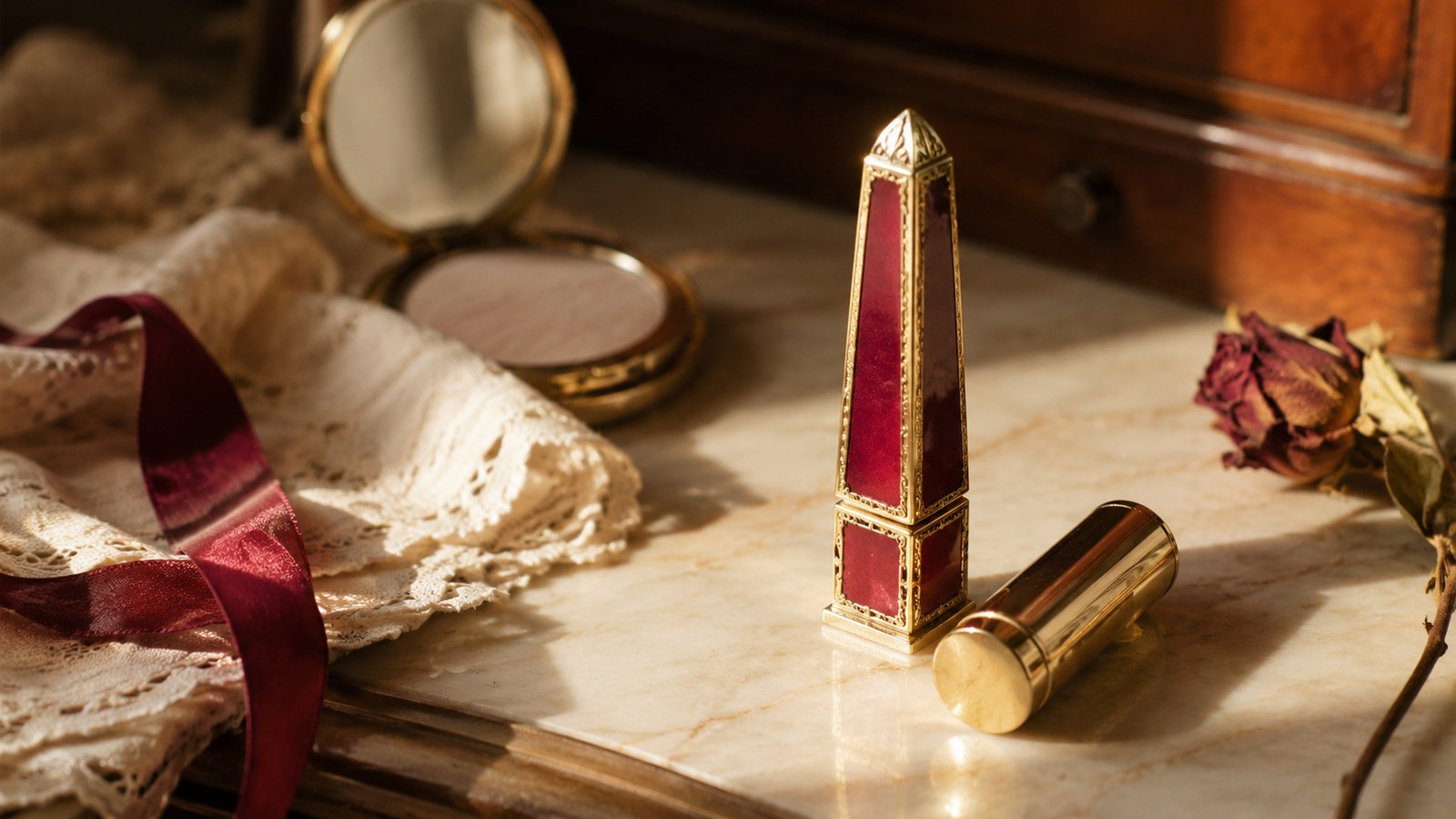
In 1953 Dior Launched the Same Lipstick in Two Bodies: One for the Handbag, One for the Dressing Table
A plastic obelisk made to be looked at, and a plain metal case made to travel. Both refillable. An object's shape is decided by where it lives.
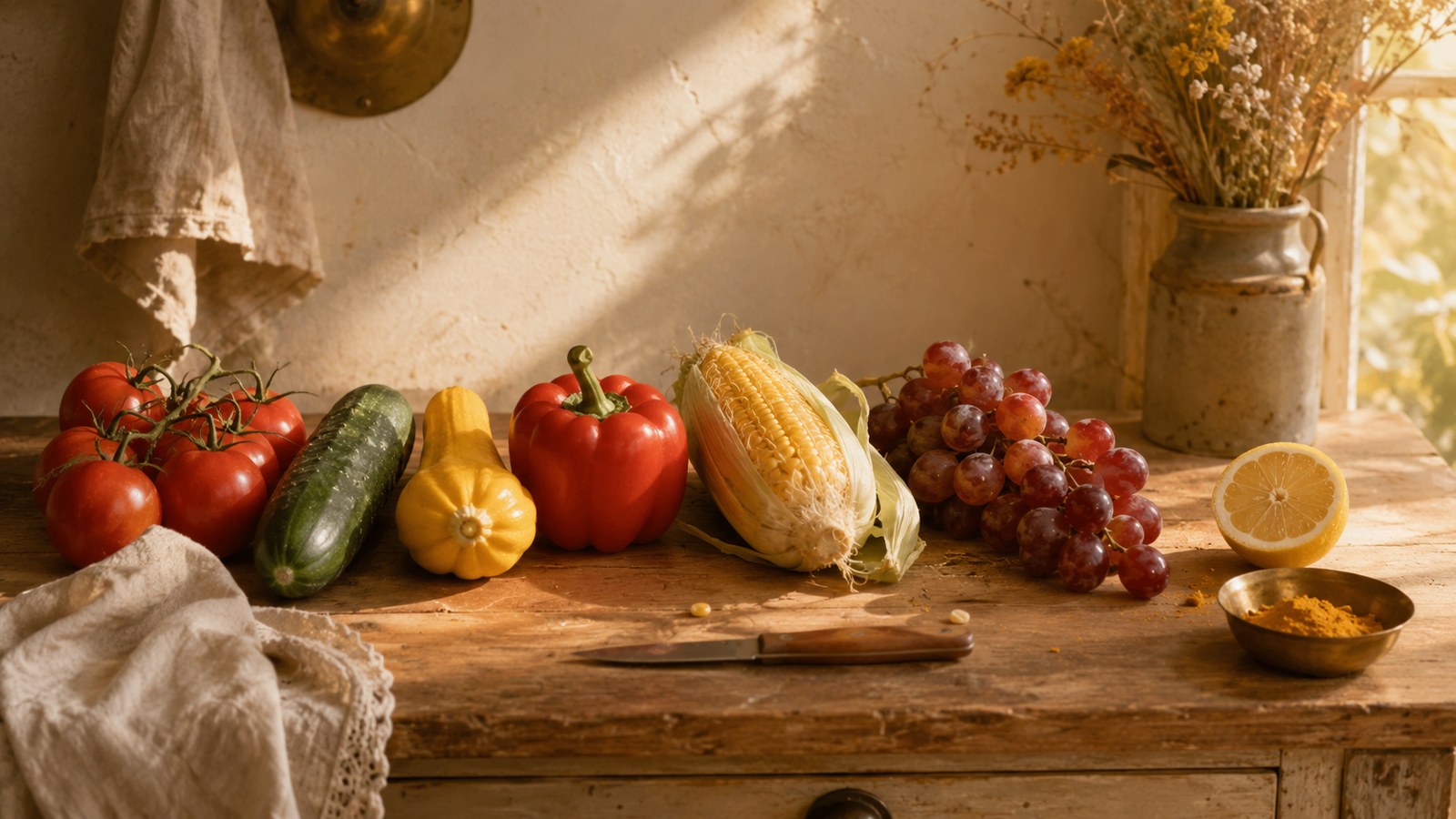
The US Supreme Court Ruled the Tomato a Vegetable Because of Where It Falls in a Meal
In the 1890s the majority wrote that tomatoes are served with the soup, the fish or the meat, and not, like fruits, as dessert. Therefore: vegetable. Meal order beat botany.
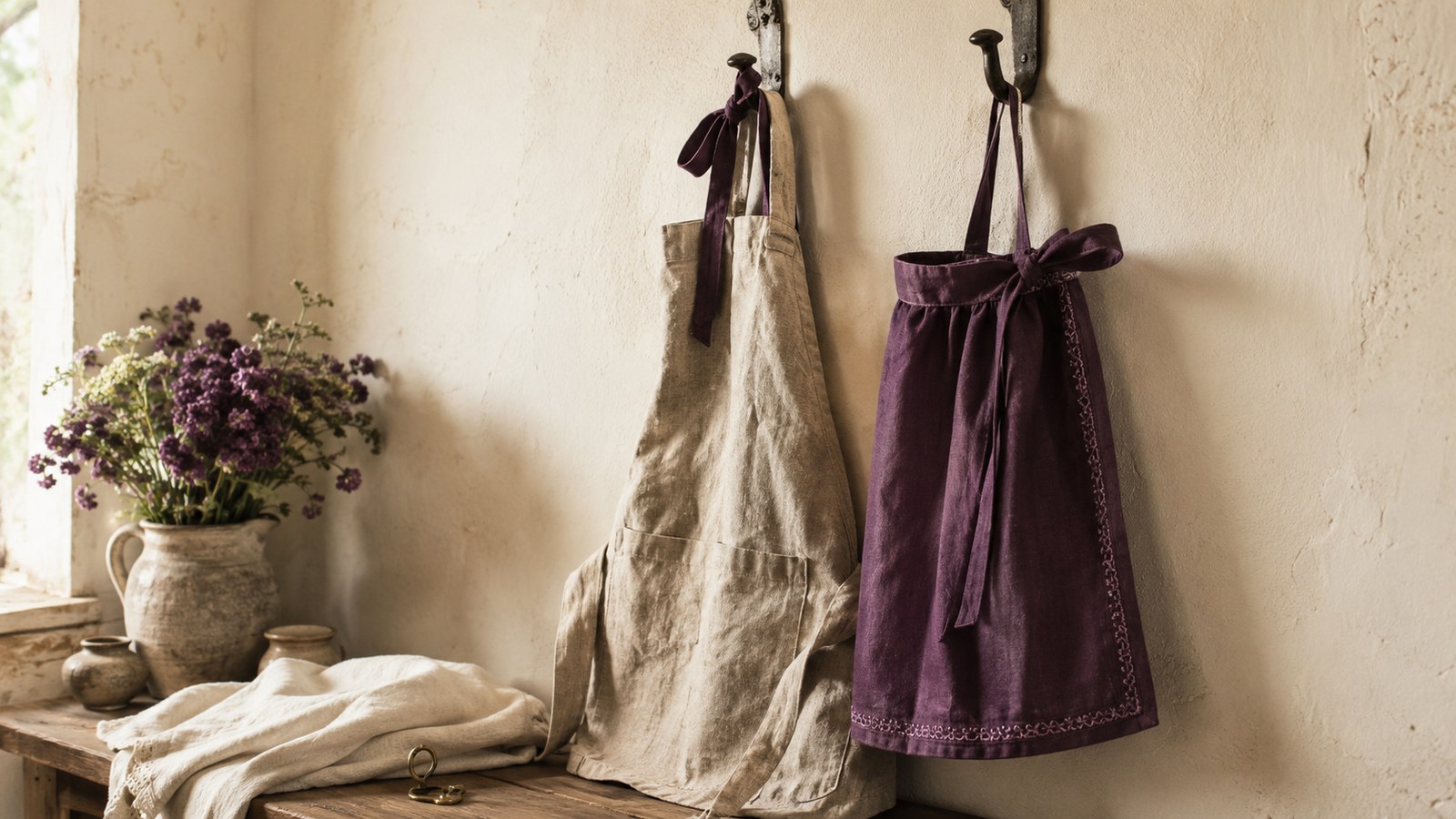
Until the First Half of the 1400s, an Apron Wasn't Called an Apron. It Was a Napron.
It's the only garment invented to be ruined. And there's an exact century in which it stopped protecting anything and became decoration.
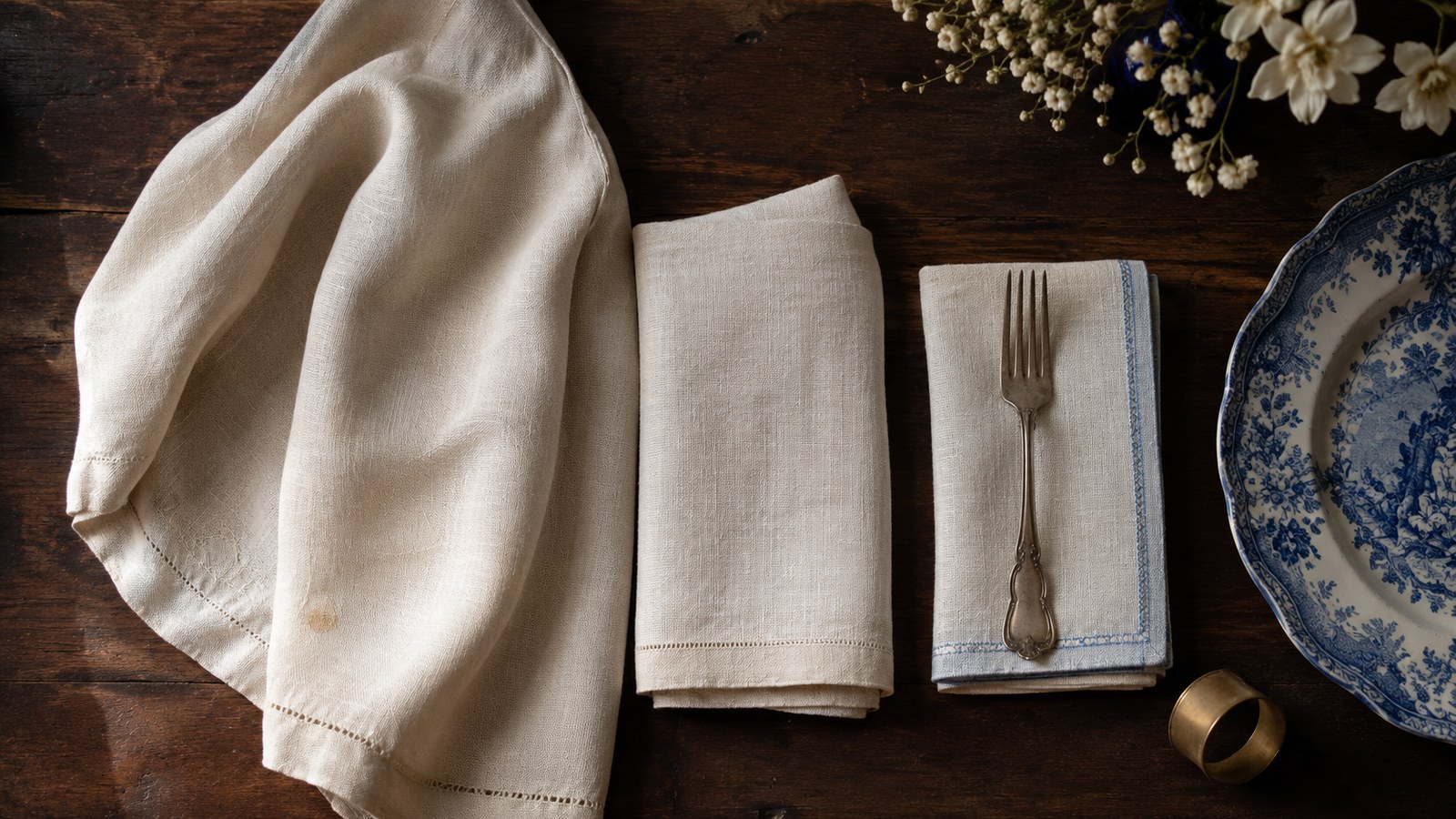
In the 1600s a Dinner Napkin Was 35 by 45 Inches. Bigger Than a Bath Towel.
The size wasn't vanity. People still ate with their fingers. The fork is what shrank the napkin, which means the right size depends on what the meal does to your hands.
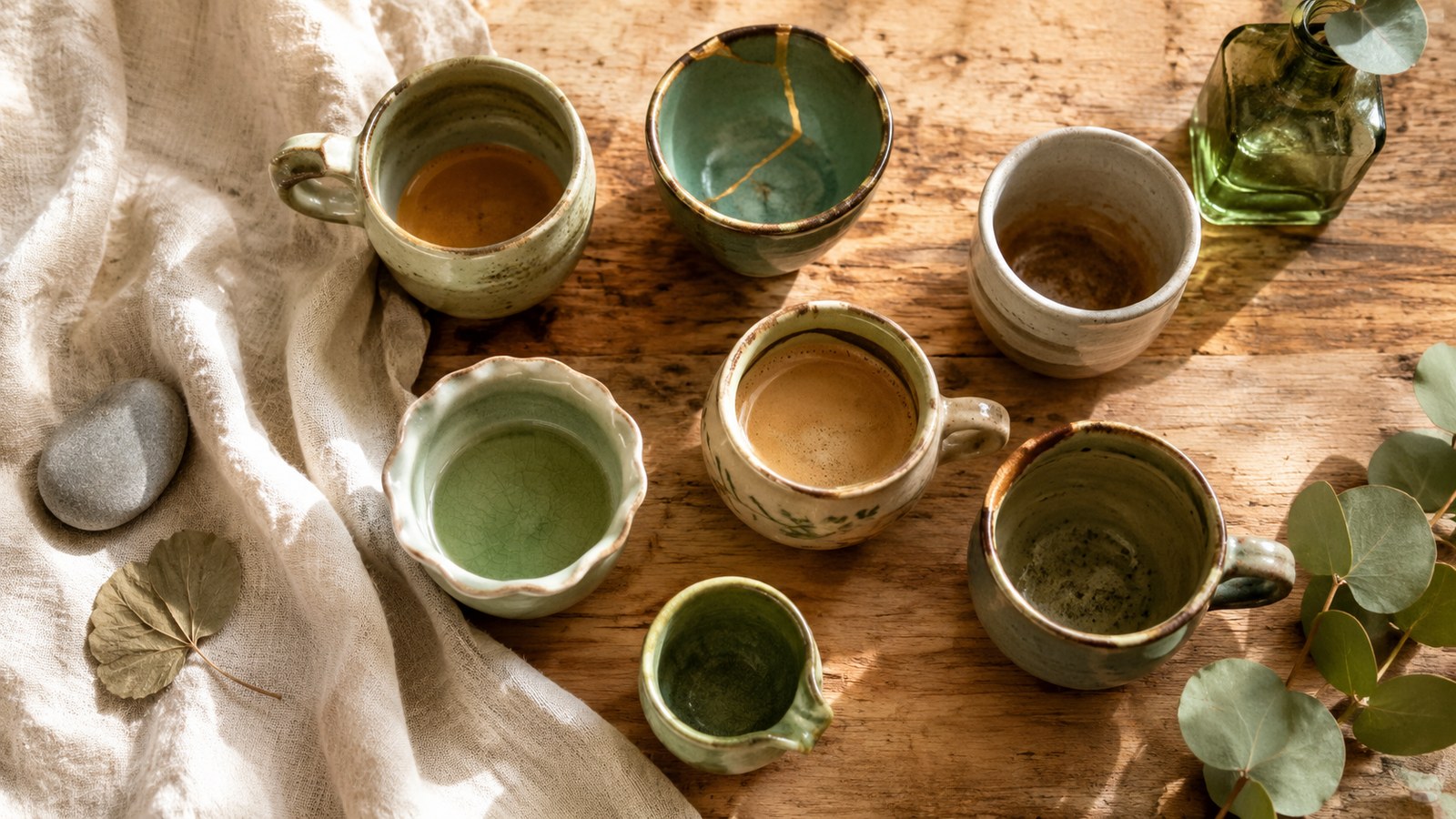
In the Early 1800s, Tourists at Plymouth Rock Were Handed a Hammer
They could chip off a piece and take it home. By 1880 what was left had to be fenced off. There's a taxonomy for that kind of keepsake, and it explains your shelves.
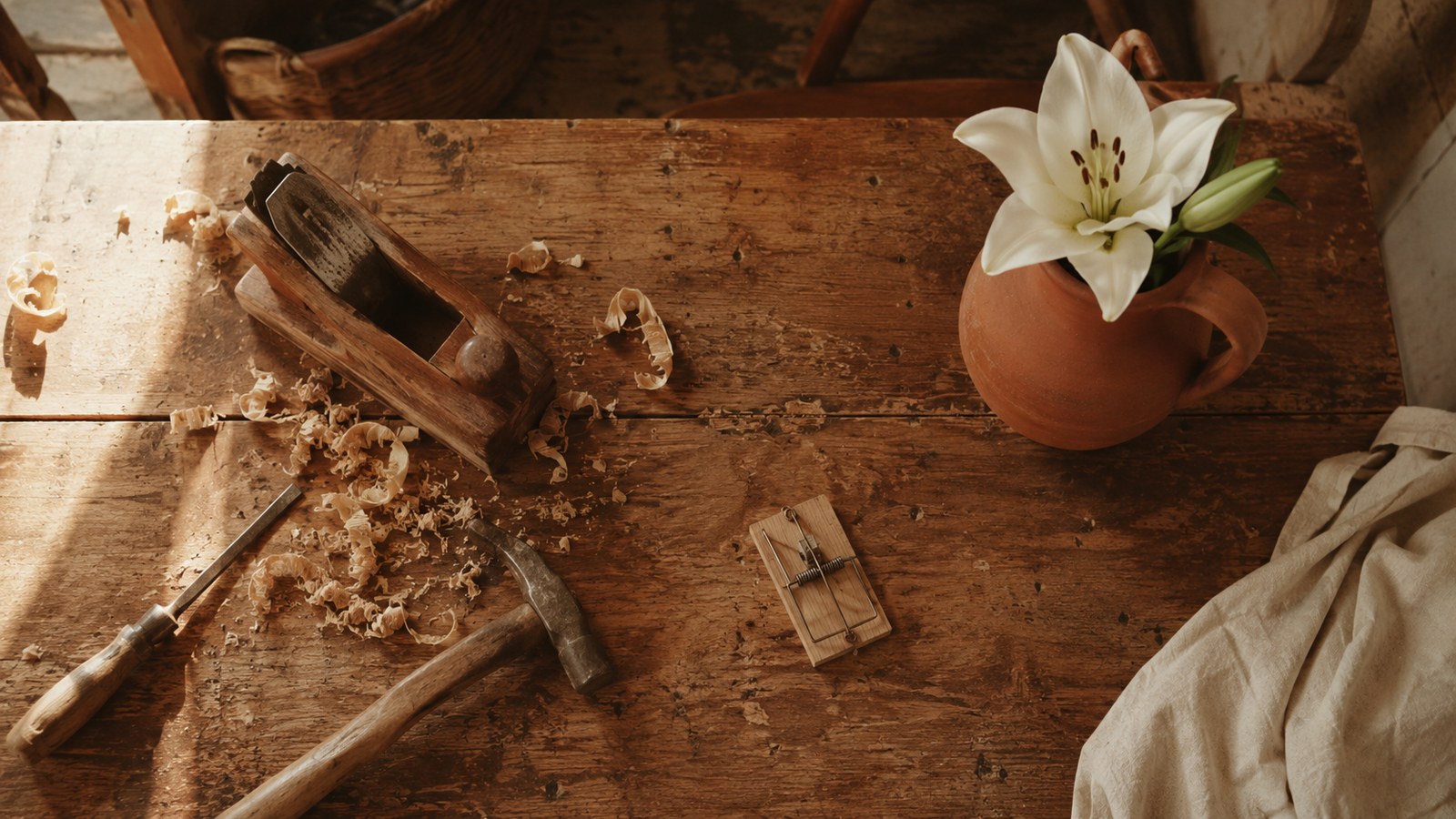
There Is a Mousetrap on the Workbench in a Painting From 1427. It Is There on Purpose.
In the Mérode Altarpiece the sacred scene happens inside an ordinary Flemish house. And every object in the room was chosen to say something, the mousetrap included.
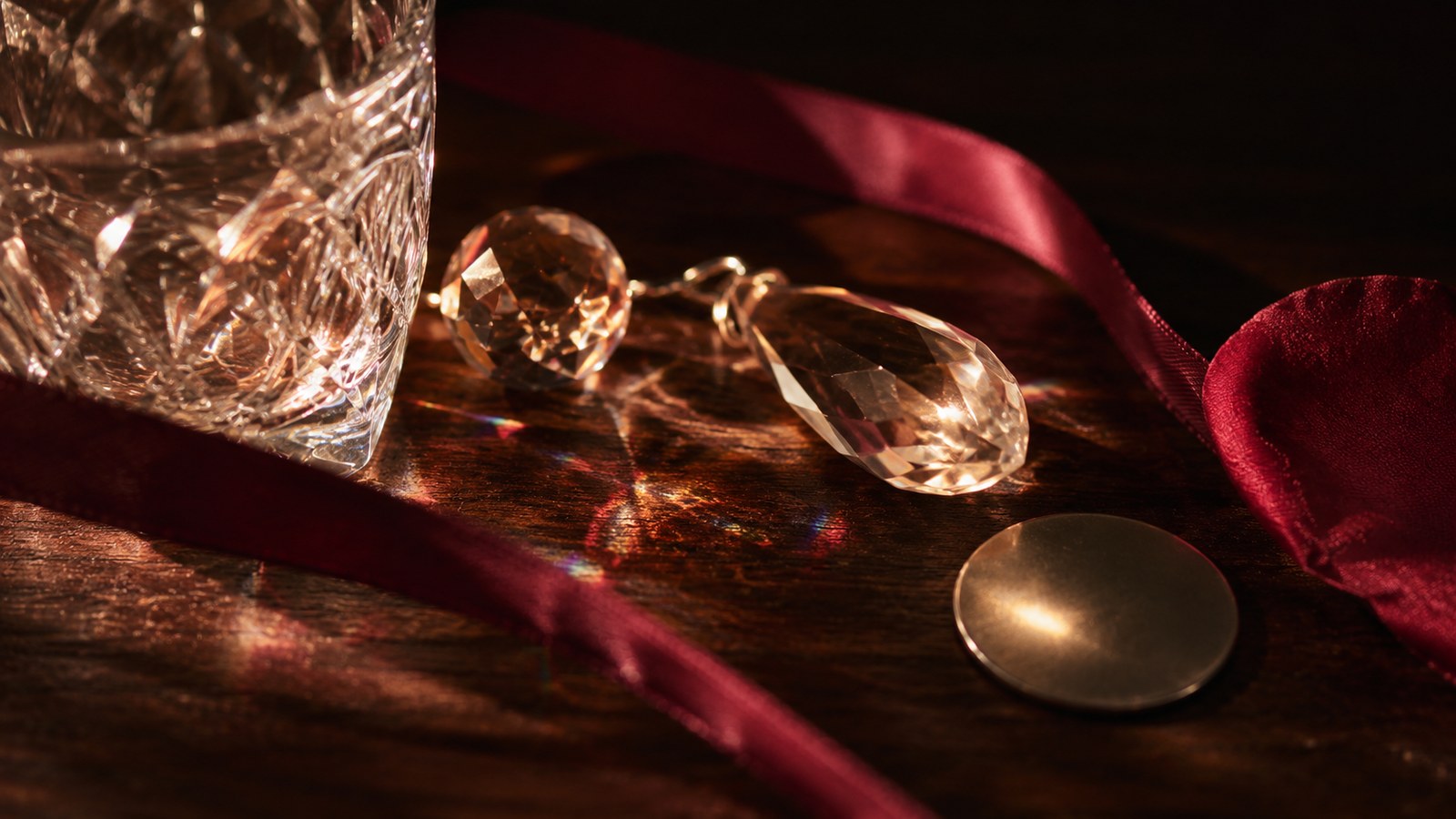
Modern Glitter Came Out of a Mistake Made by a Cattle Rancher in 1934
Henry Ruschmann was a machinist and cattle rancher in New Jersey. He happened across a way of cutting coloured plastic, and the world's largest glitter factory still stands on his farm.

A Clove Bud Is Up to 17% Pure Aroma. No Other Spice Comes Close.
Seventeen percent of that small dry bud's weight is volatile compound. Which is why half a dozen cloves take over a whole house, and why a holiday meal is smelled before it's seen.
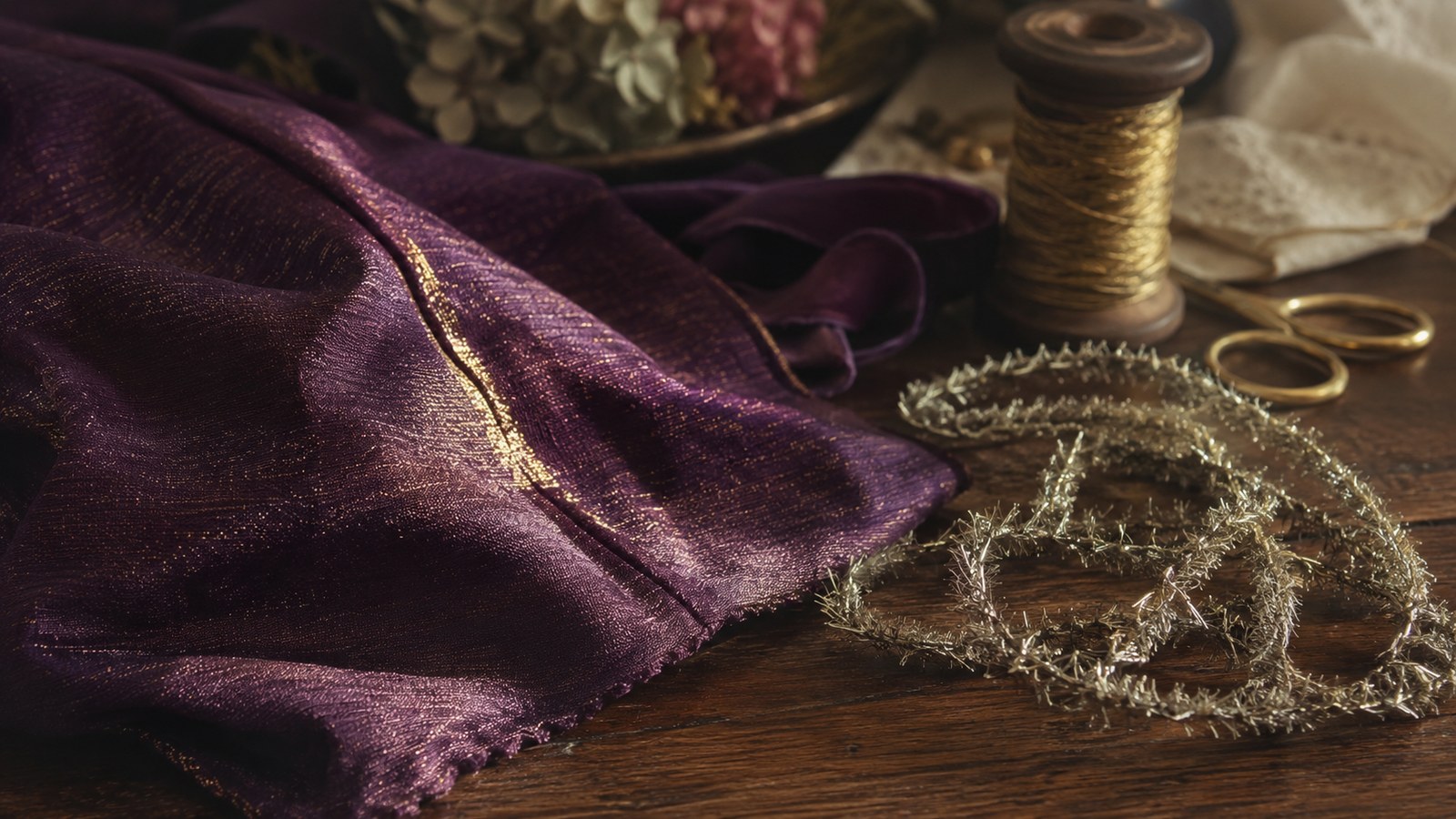
Tinsel Was a Fabric Before It Was a Decoration: in the 1500s, Silk Woven With Real Gold
The word tinsel, now the metallic strand on the tree, named a rich cloth shot through with gold or silver thread. It was something you wore, not something you hung up.
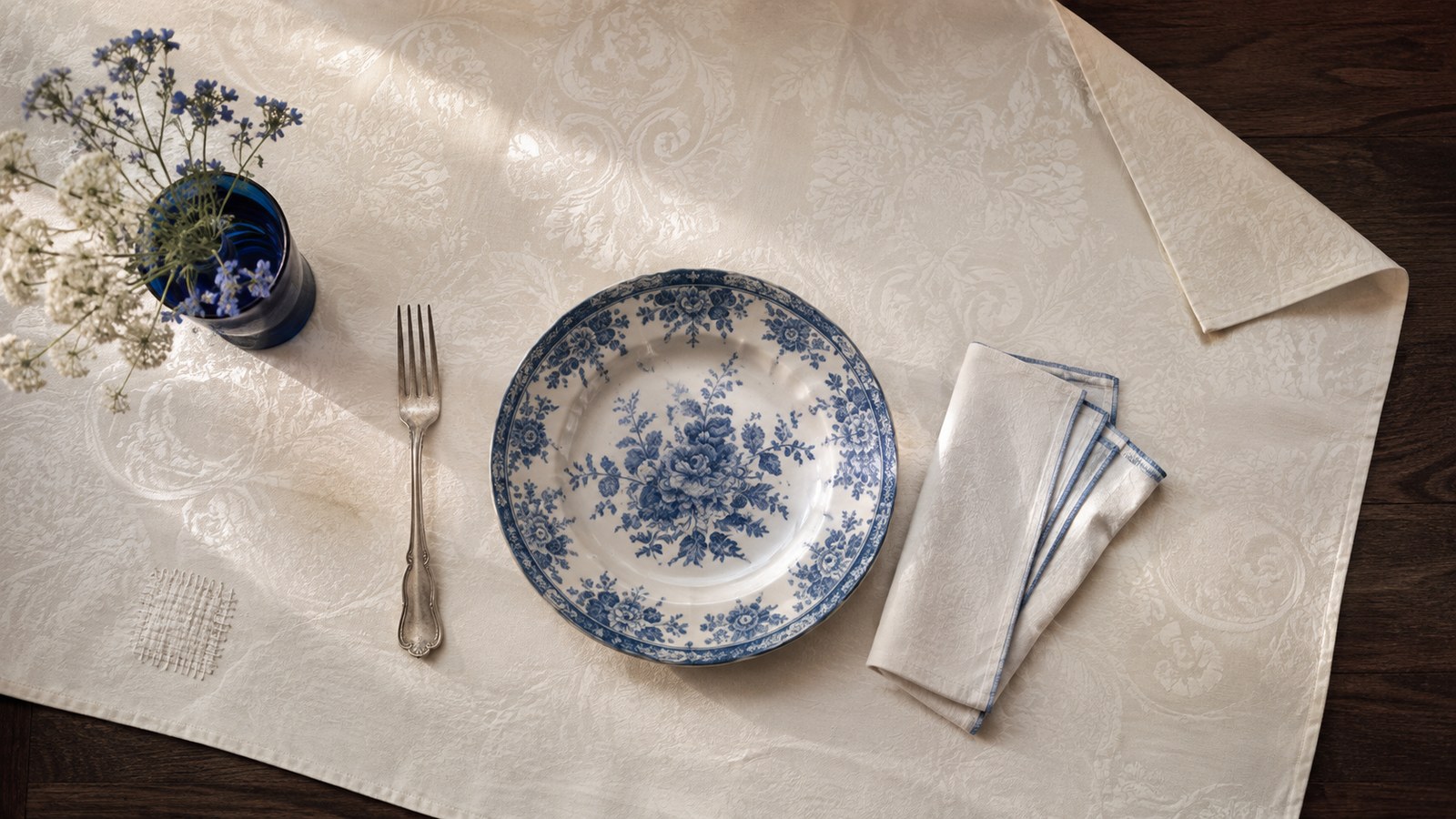
In 529, the Punishment for a Late Monk Was Eating Alone, With No Wine and No Tablecloth
The Rule of St Benedict took the cloth away from anyone who turned up late. Which tells you the tablecloth was never decoration. It was the sign that the place was yours.
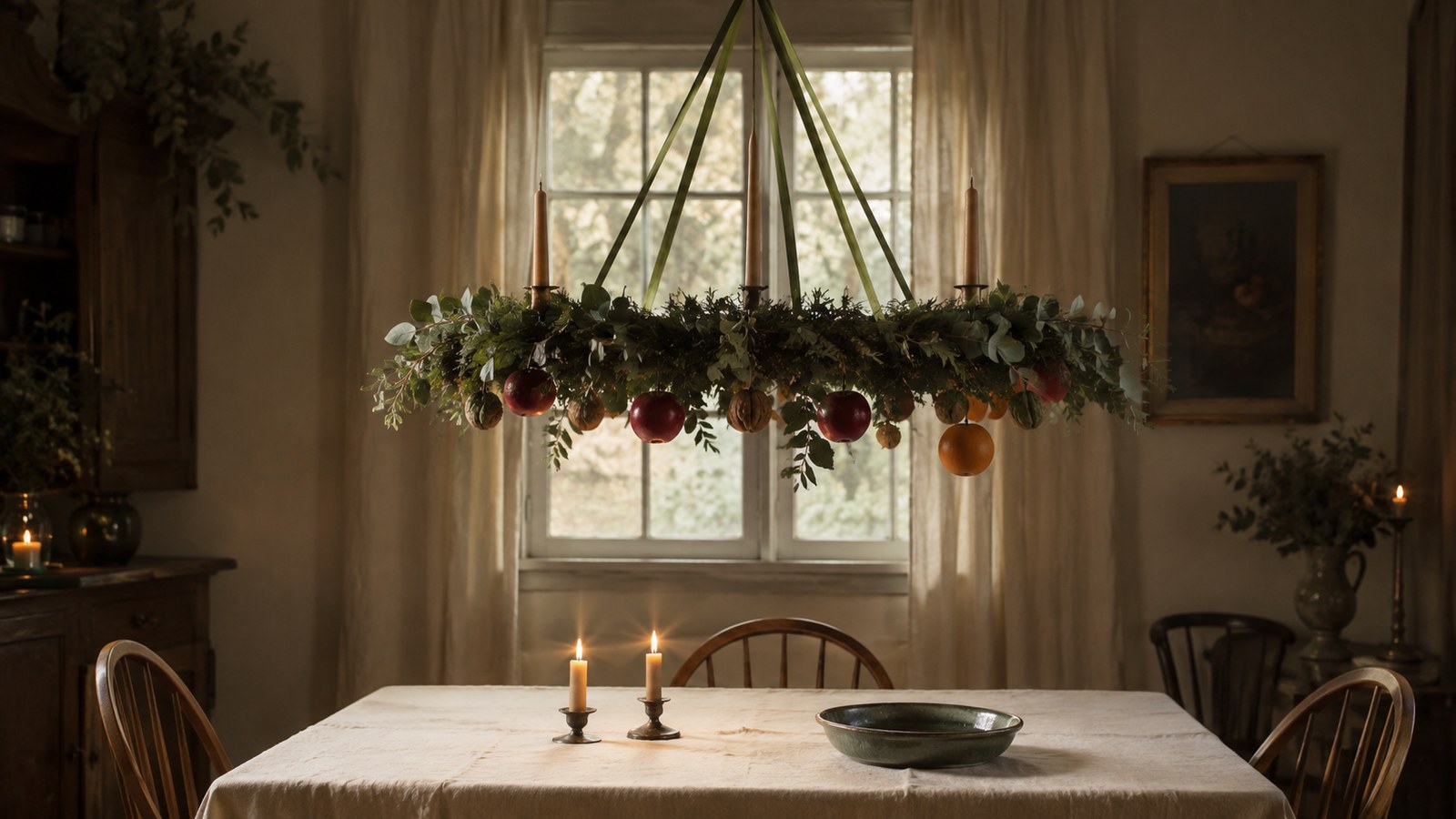
The Bang of a Christmas Cracker Is an Imitation Fireplace. It Took Seven Years to Get Right.
Tom Smith, a London confectioner, heard a log pop in 1840 and spent seven years turning that sound into a paper tube you open at the table. The first ones sold in 1847.
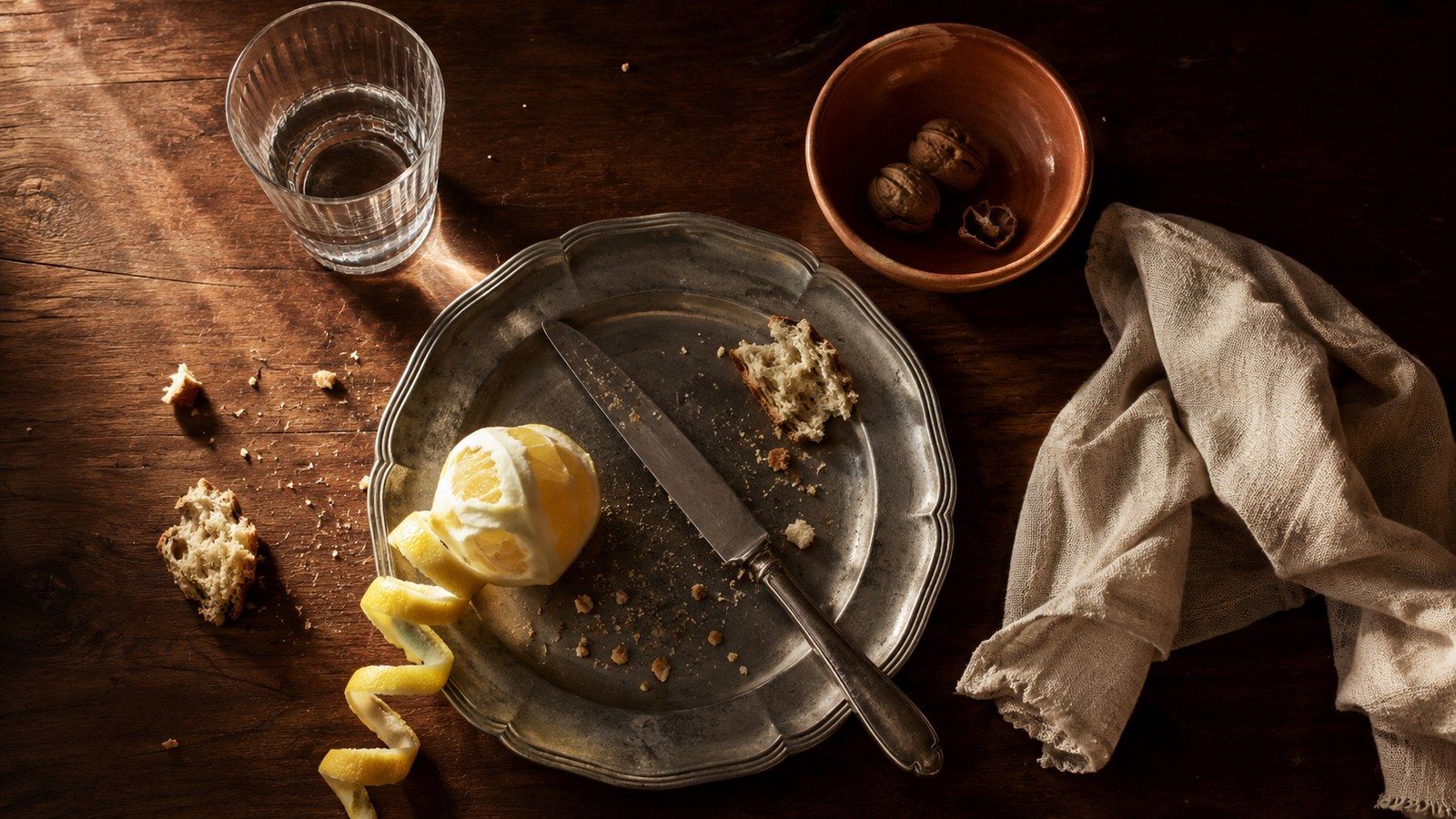
Among the Walls Buried at Pompeii in AD 79 There Is a Still Life of Lemons and a Glass of Water
Sixteen centuries before the Dutch turned the laid table into a genre, somebody had already painted fruit beside a glass on a Roman wall. And Vesuvius kept it.
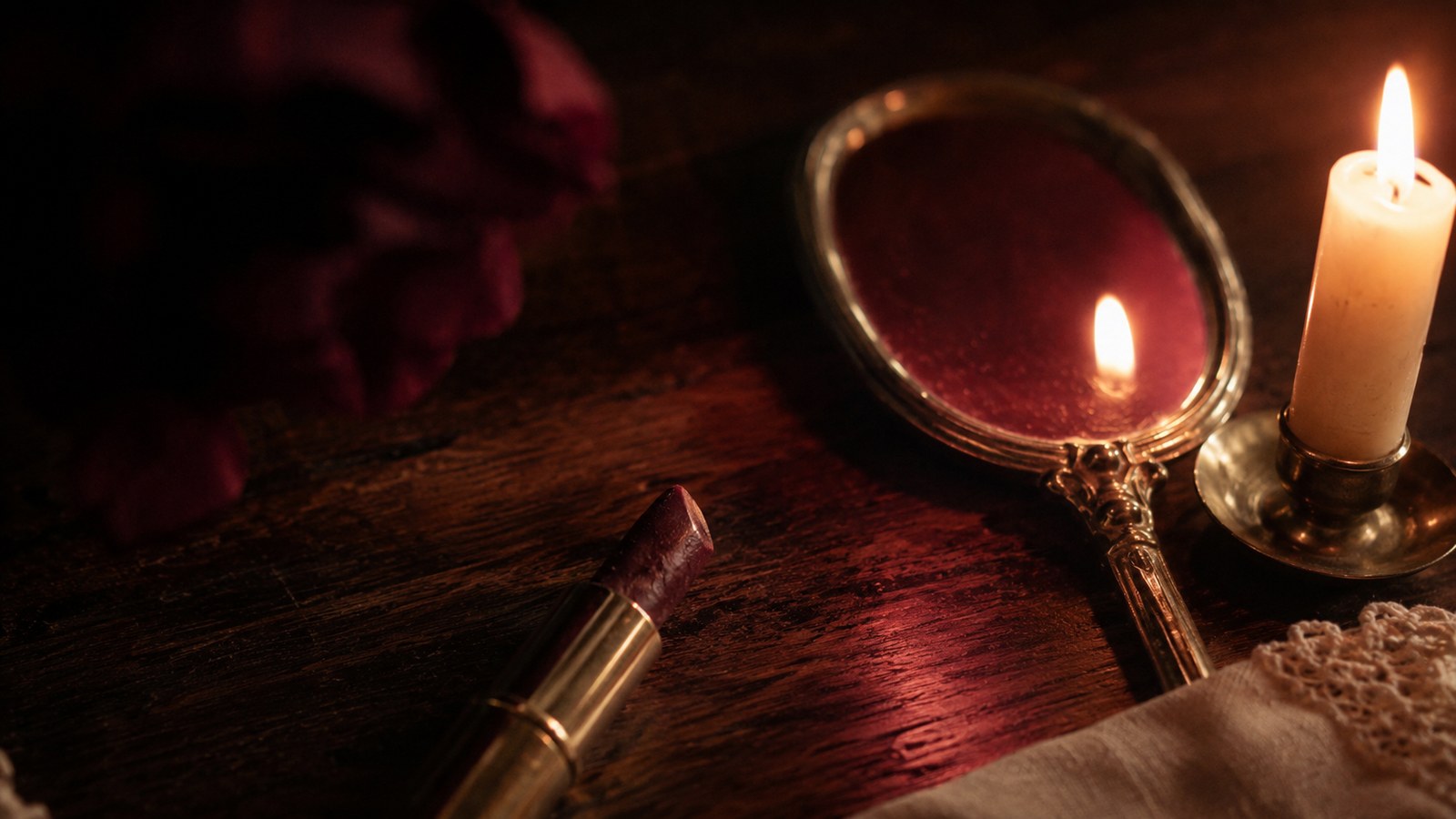
Until 1926, Film Couldn't See Red: Red Lipstick Photographed Black and Blue Eyes Photographed White
Early film stock was blind to red, so makeup had to be rebuilt for the light and the medium. All makeup is made for a specific light. Including yours.
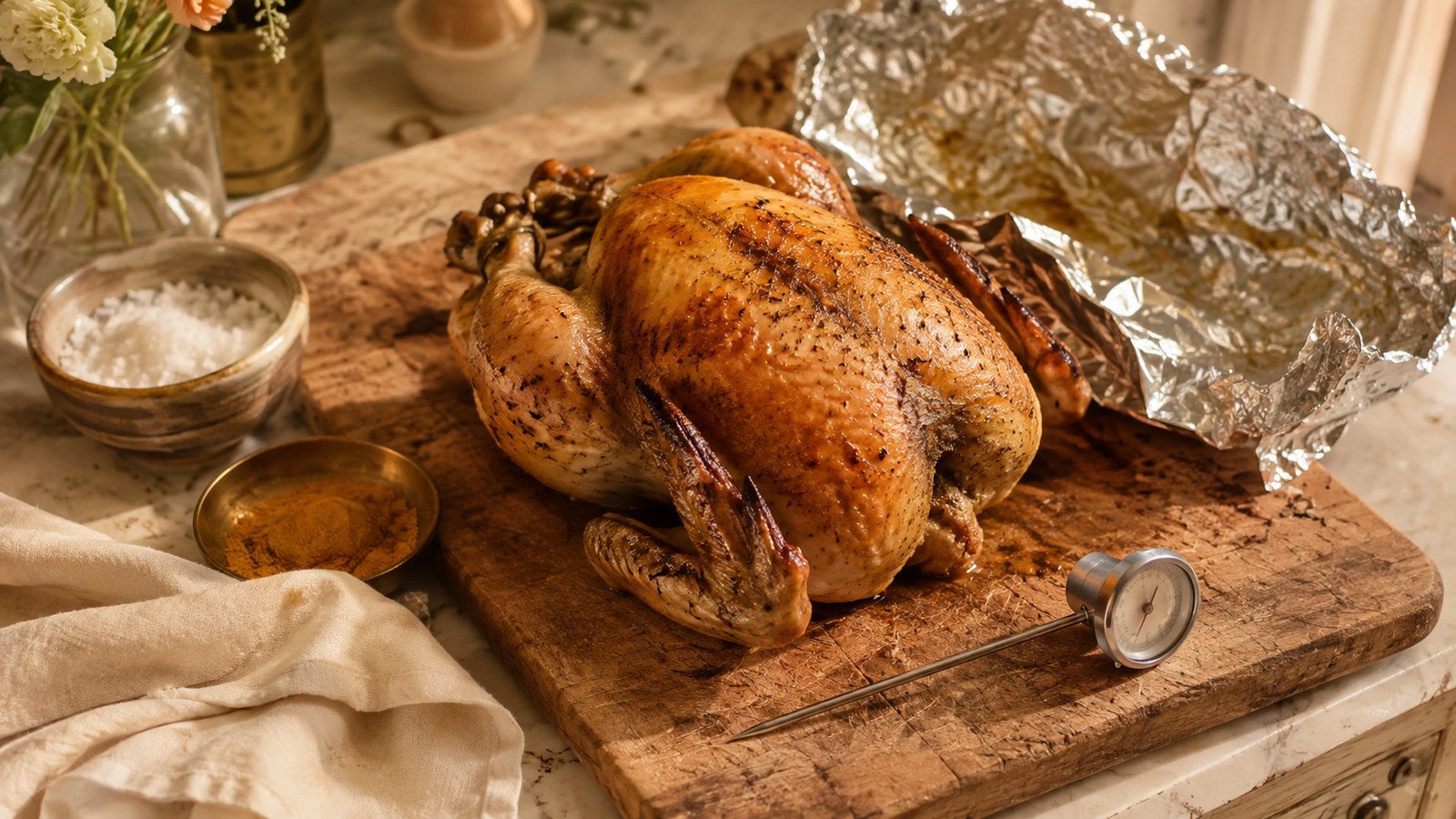
Your Turkey Isn't Dry Because You Cooked It Badly. It's Dry Because of Two Muscles That Disagree.
Breast goes past its best above 68 °C. Leg is still rubbery below 73 °C. That argument is inside the bird before you ever turn the oven on, and nobody wins it.
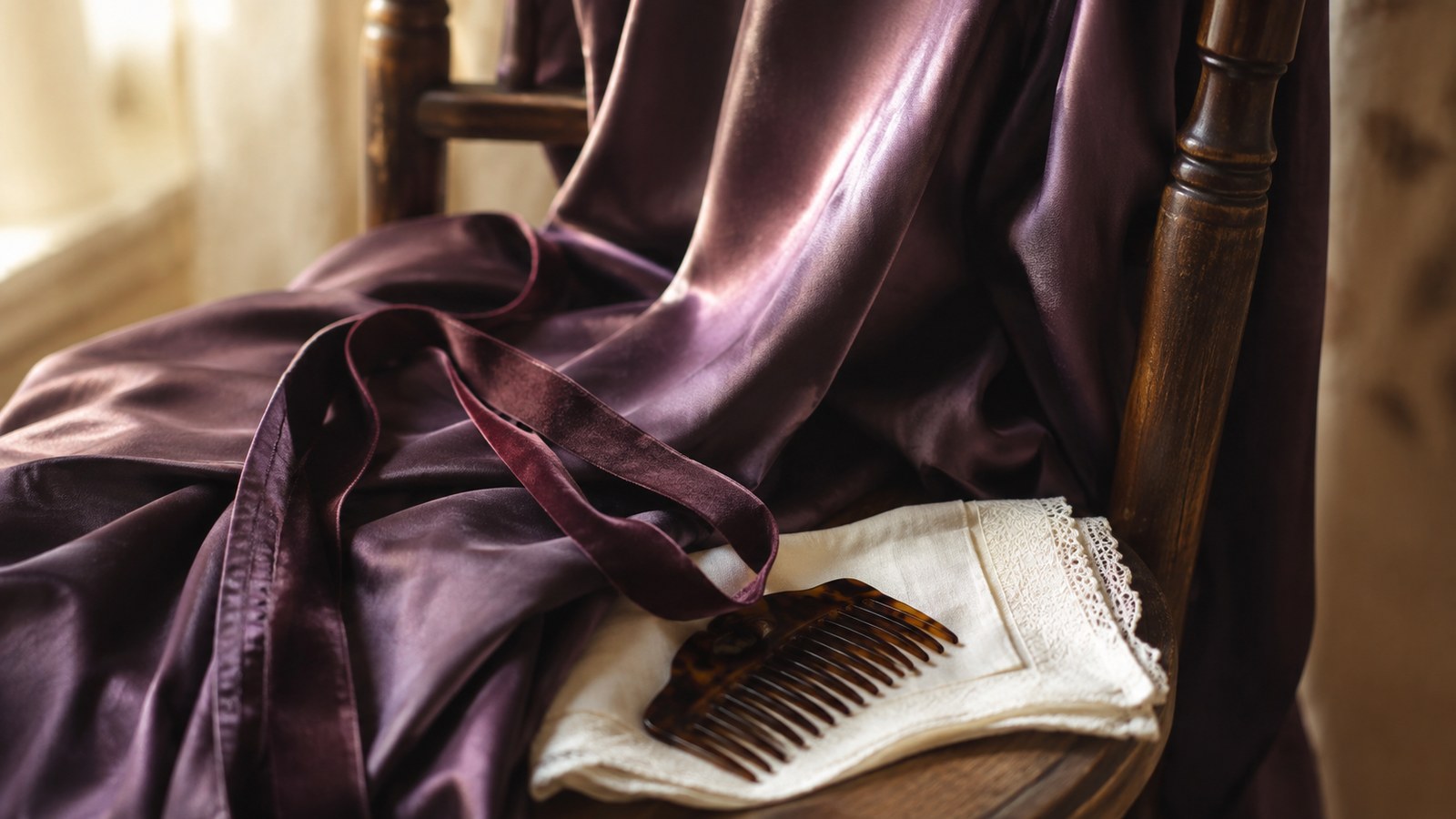
There Was Once a Dress Made Only for Having People Over. It Had No Corset.
It was called the teagown, it ran from 1877 to 1940, and it came from a specific habit: women took tea in the hostess's own boudoir, in dressing gowns. Once men were let in, the gown became satin.
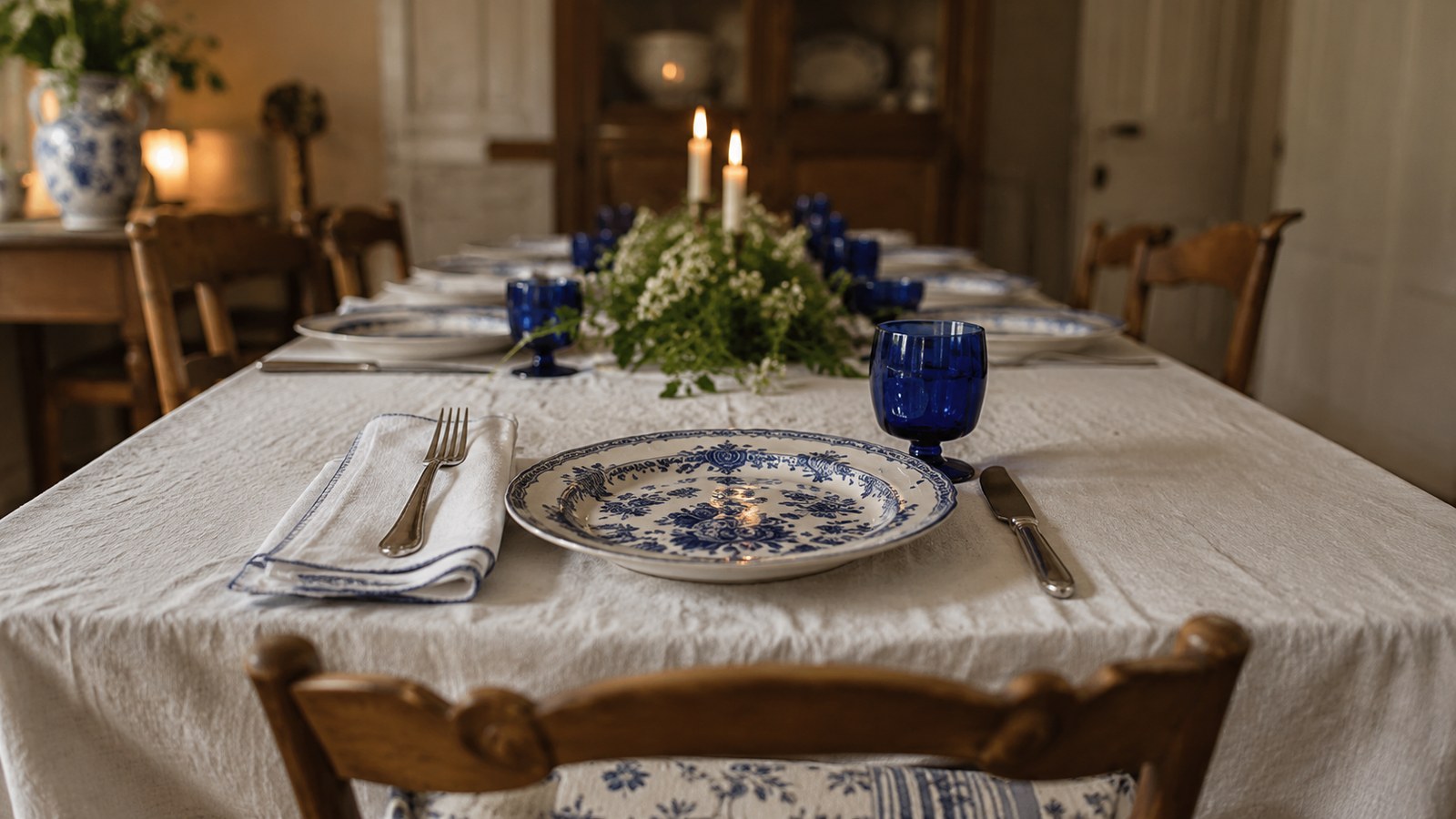
In Poland, the Christmas Table Is Laid for Someone Who Wasn't Invited
The Polish rule is to set one place more, for whoever turns up unannounced. Portugal does something similar and heavier. Both are useful when there are more people than chairs.
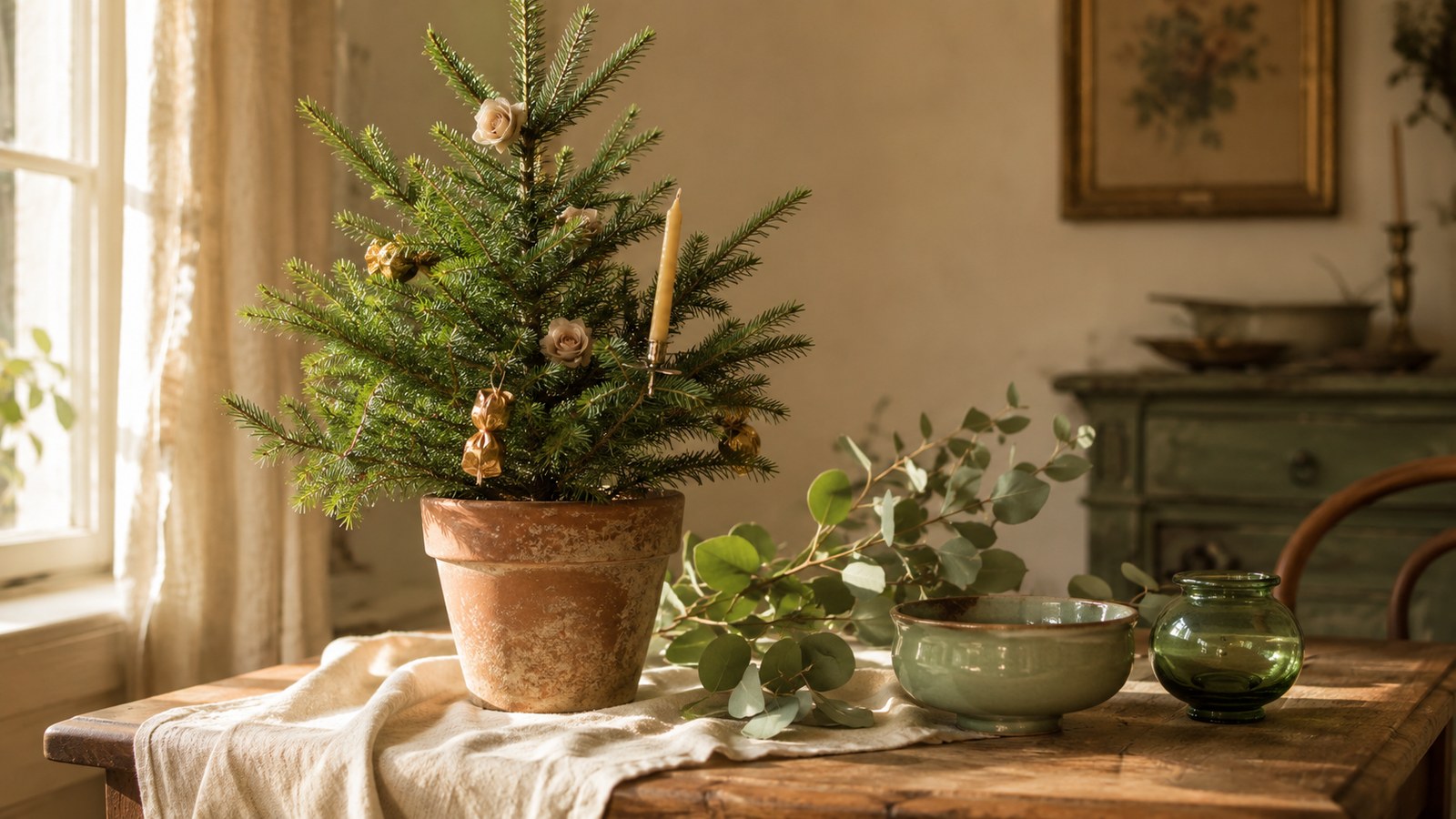
The First Christmas Tree Stood on a Table. Because of a Law.
Alsace, 1531: a local forest ordinance banned cutting firs over four feet, so the trees were set up on tables. The small tree is the original, not the compromise.
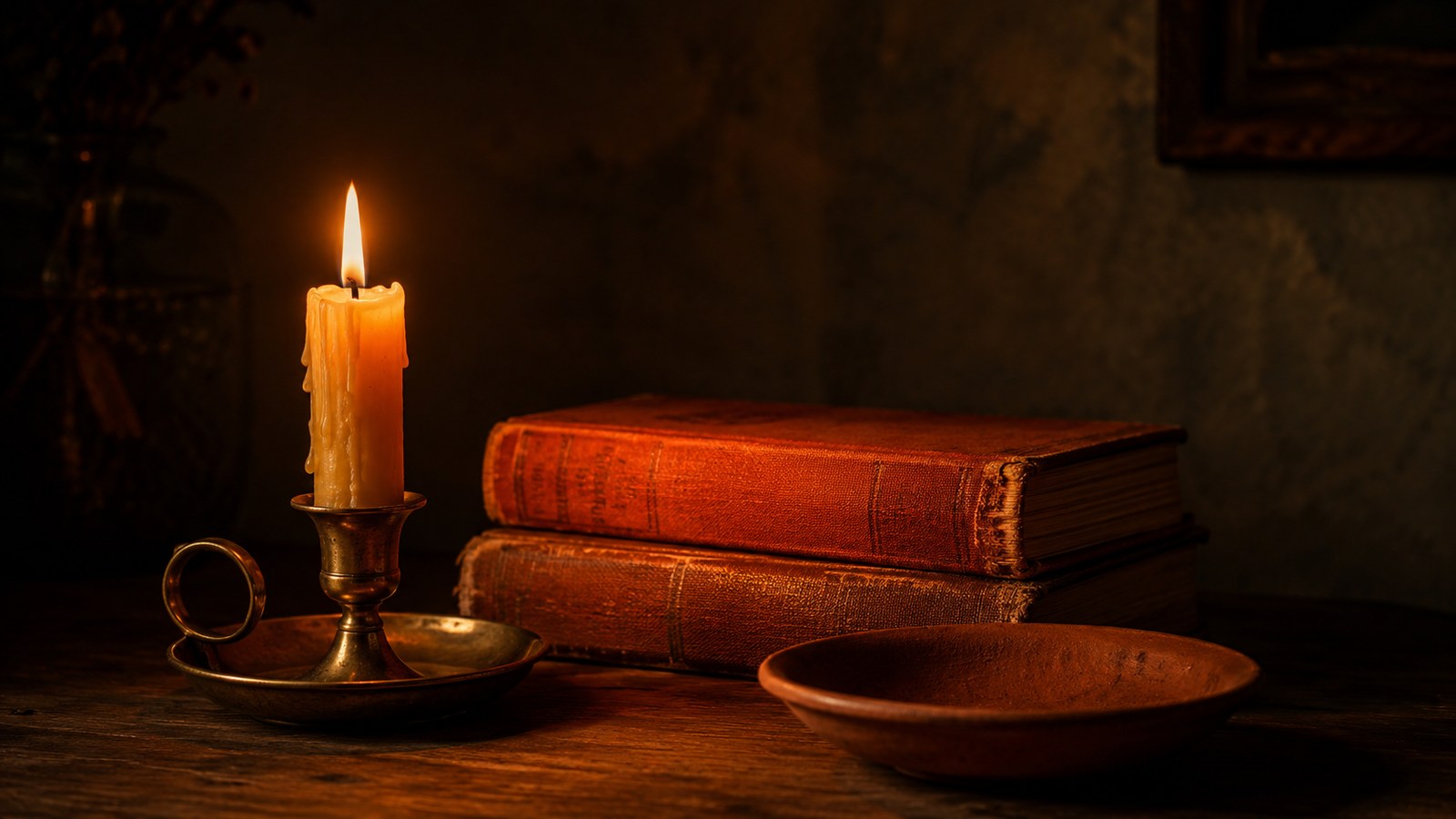
In 1969 a Caravaggio Nativity Was Cut Out of a Church in Palermo. It Never Came Back.
The painting is from 1609 and the theft is from 1969. I went looking for it and ended up somewhere better: how painters solved the problem of a scene that happens at night.
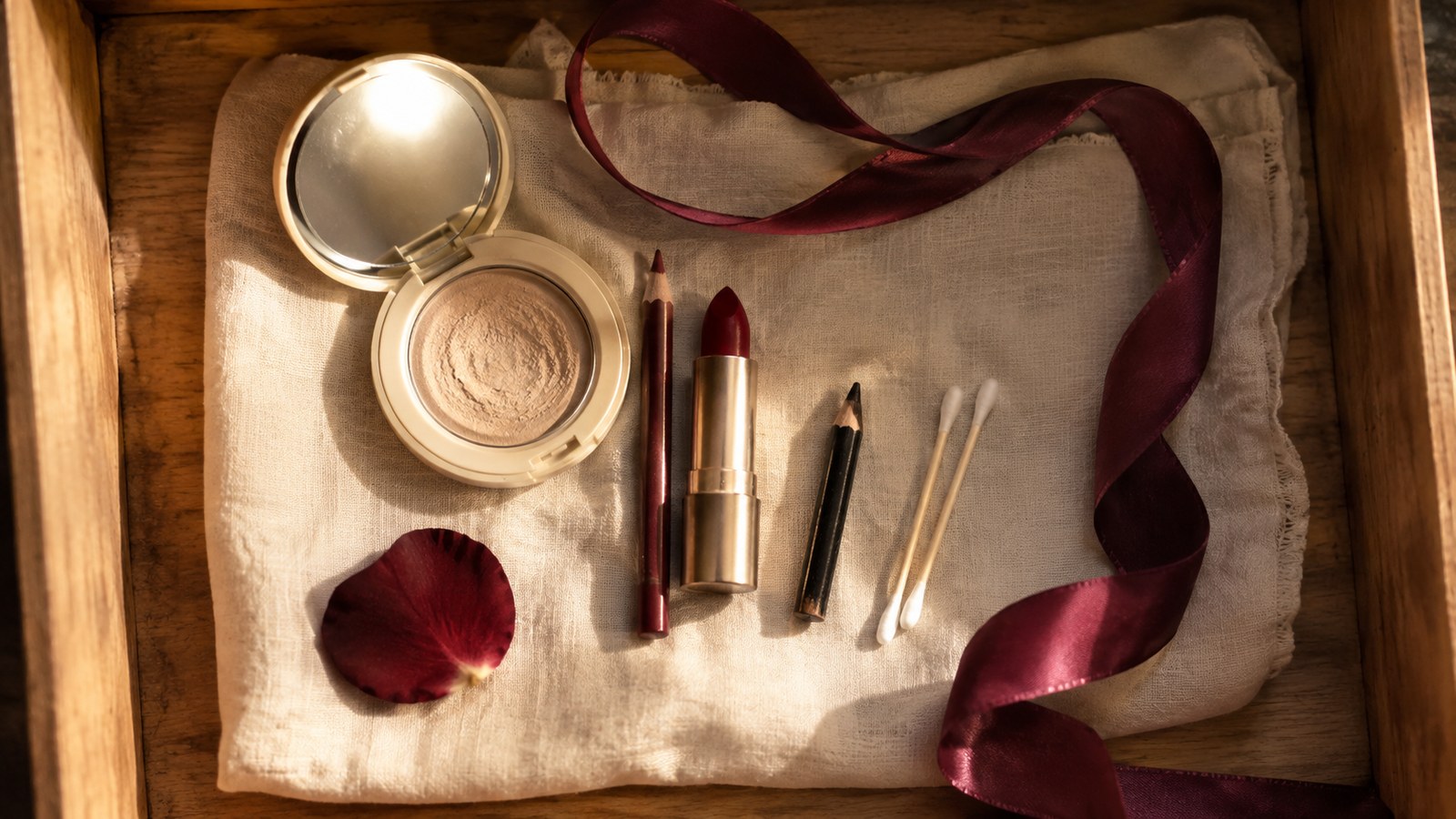
Your Lipstick Coming Off at Dinner Was Never Your Mistake
There's a makeup artist's rule for dinner, and it's the opposite of the party one: at a table you drink, eat and talk, so the weight moves to the eyes and the mouth stays light.
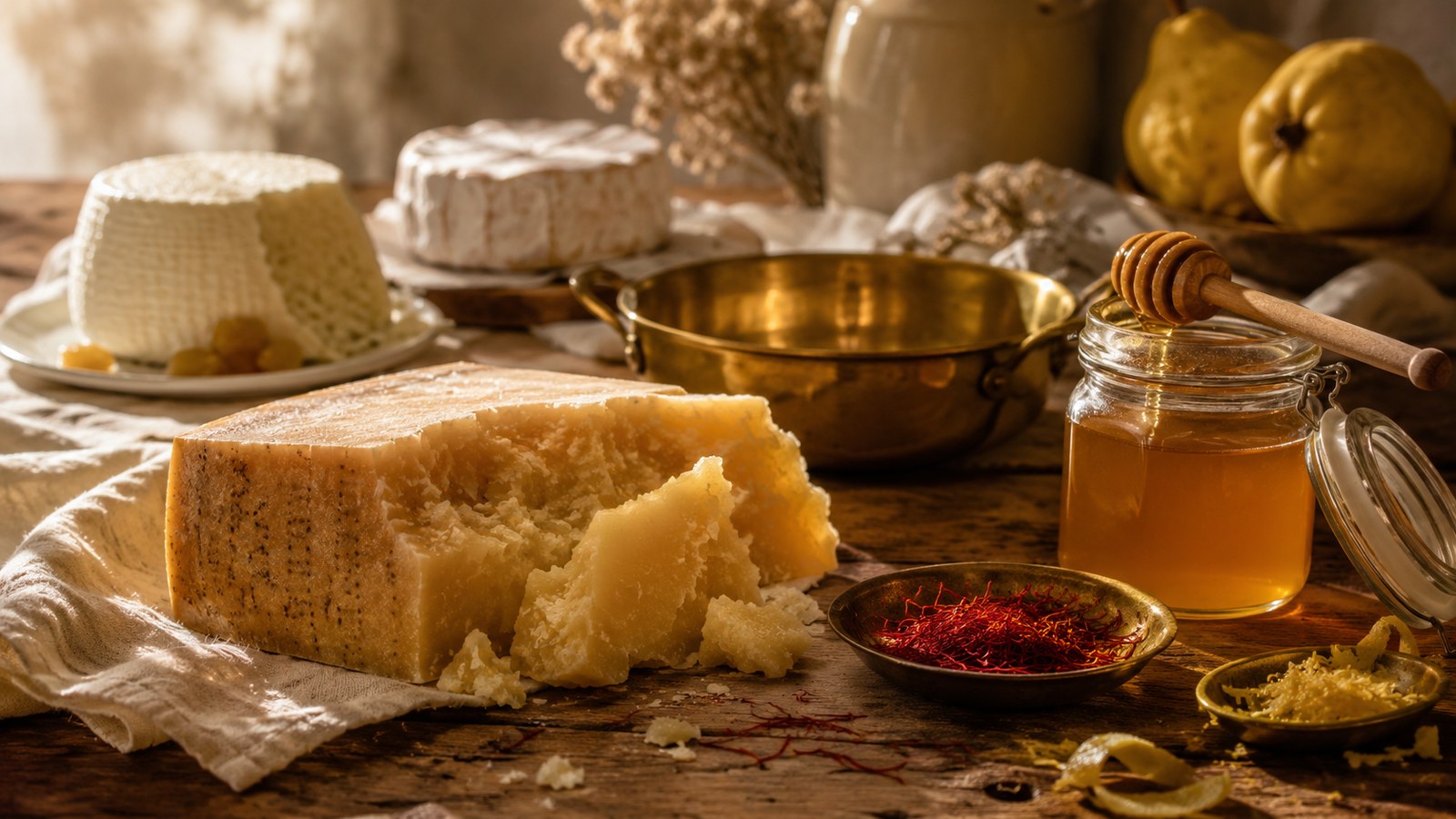
Parmesan Has a Pineapple Note, and the Copper Vat Is Responsible
Copper damages some of the milk fat, and what forms afterwards are the same aroma molecules found in tropical fruit. The vessel is an ingredient.
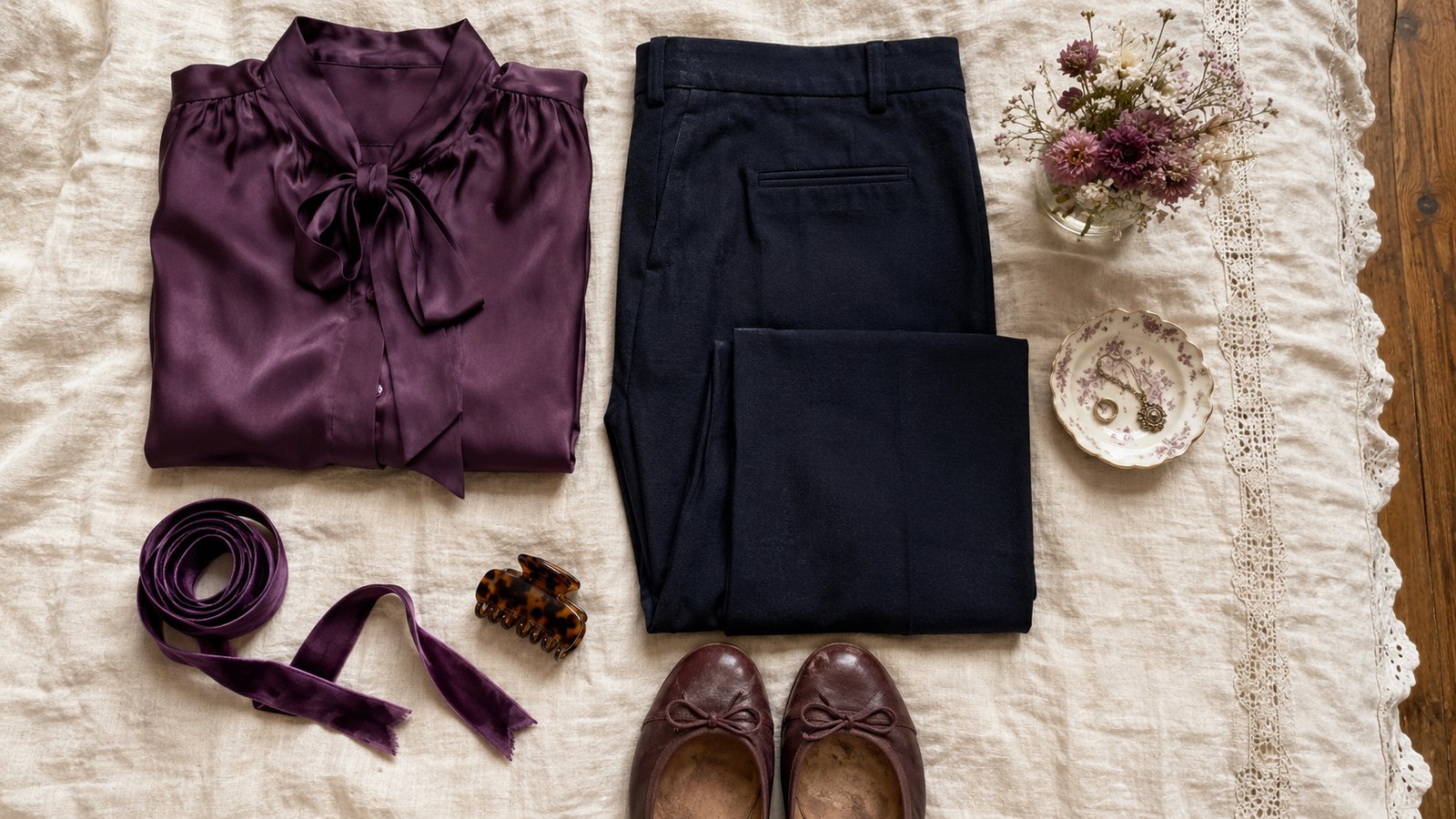
The Copy About "French Style" Hasn't Changed Since 1959
Simone de Beauvoir described Brigitte Bardot in a magazine in 1959. The words are almost exactly the ones used today to sell the same myth.
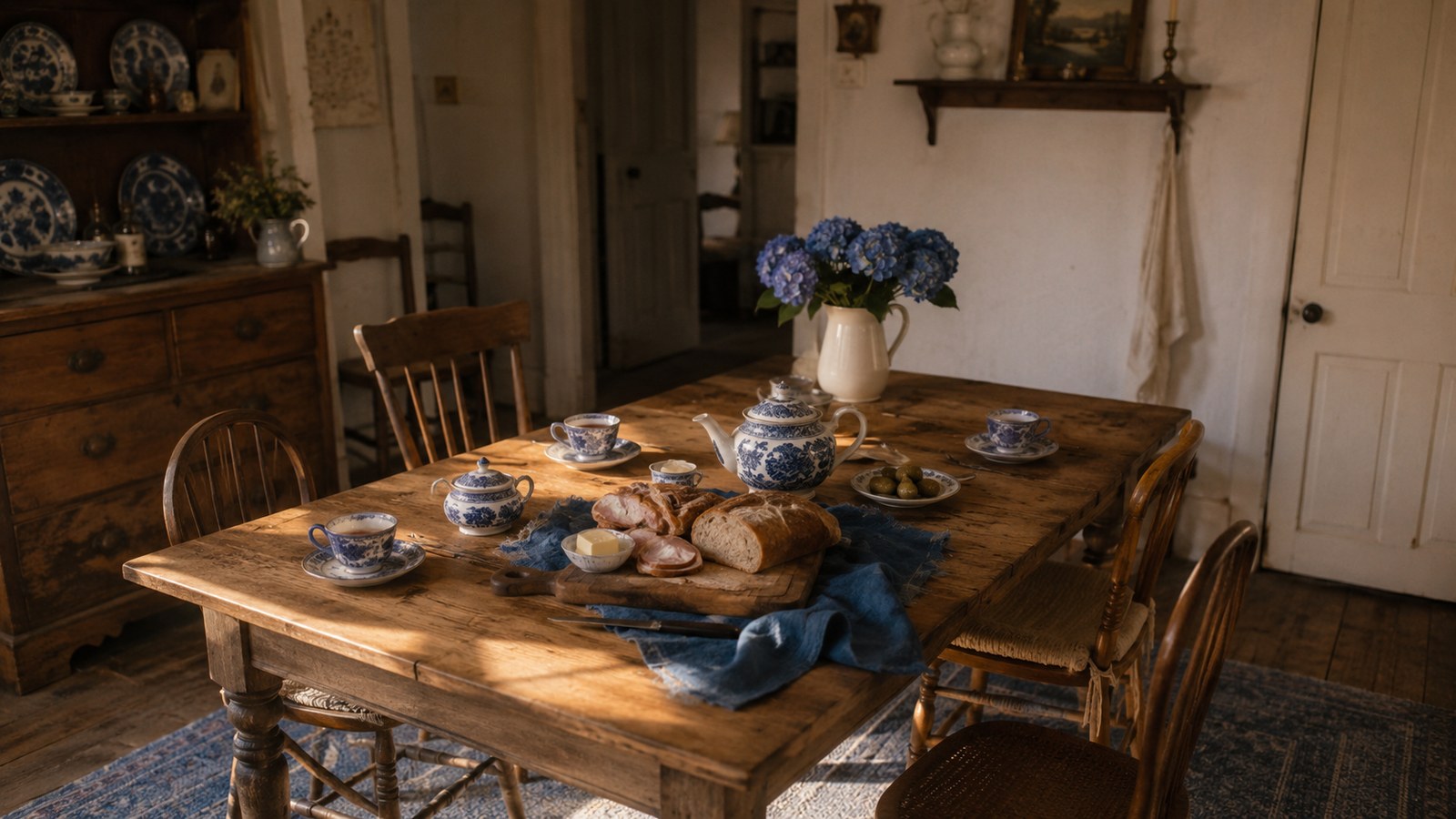
High Tea Isn't the Fancy One. It Was the Working Day's Supper.
"High" never meant elevated. It meant the hour, around six, when people came home from the factories to cold meat and bread.
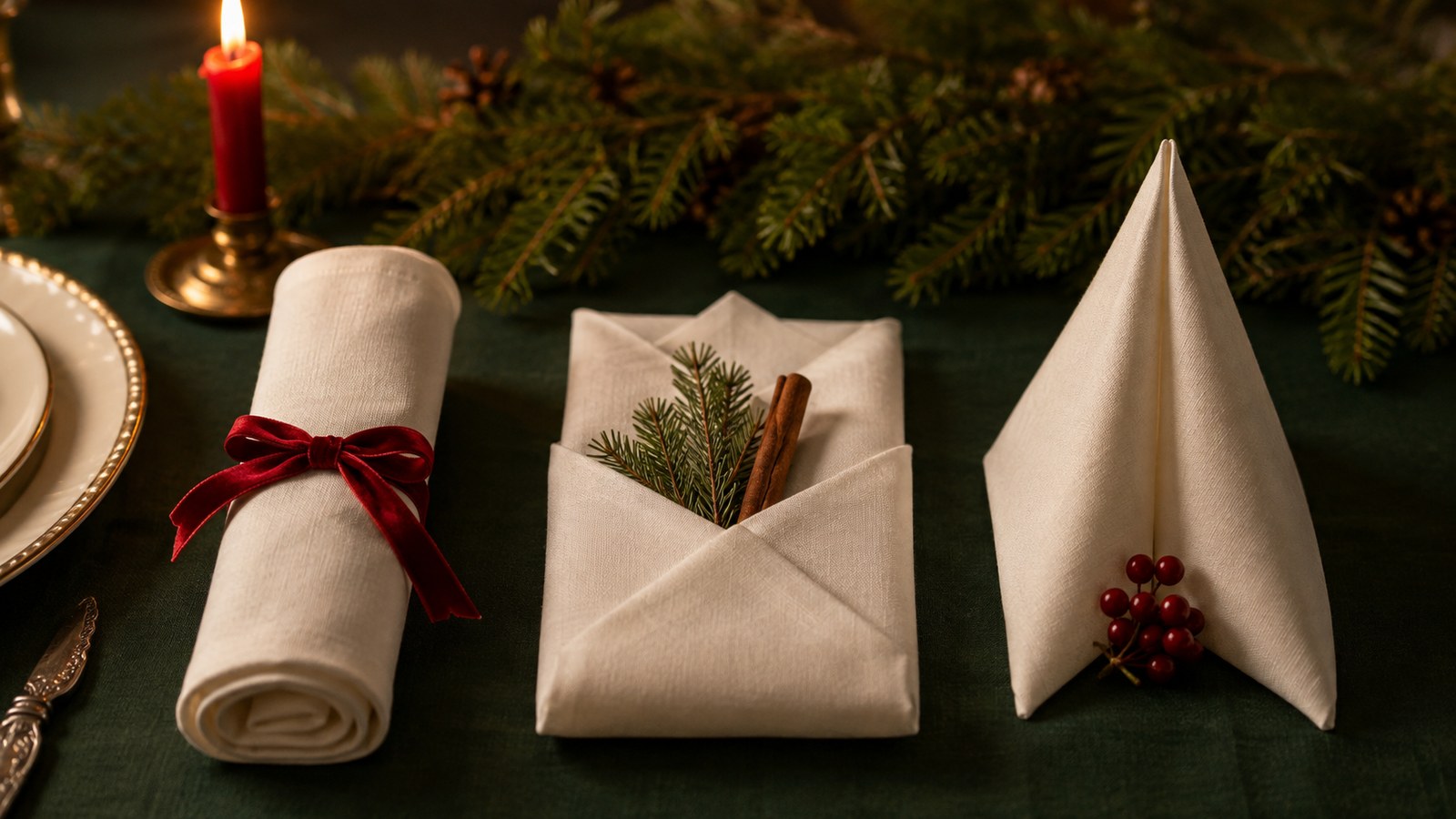
How to Fold Napkins: 3 Easy Folds to Start With
Napkin folding was once a paid profession. Today there are no rules — just three simple folds, the right size for each occasion, and the one demand that survived.
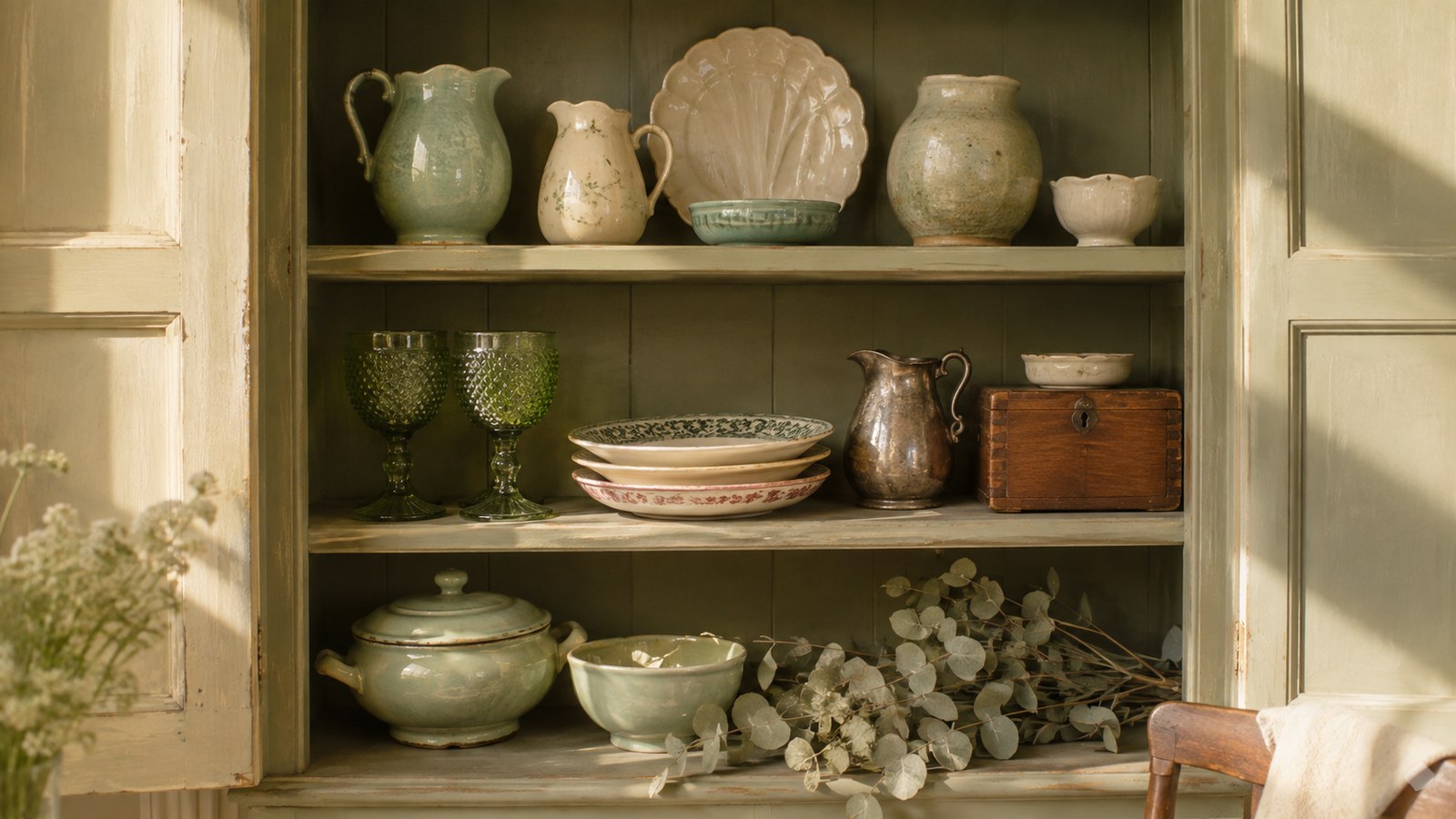
New Furniture Carries a 100 to 500 Percent Markup. Secondhand Carries None.
The price of a secondhand piece is just what two people agreed on. Which is why a well-made chair from 1970 often costs less than a badly made one from today.
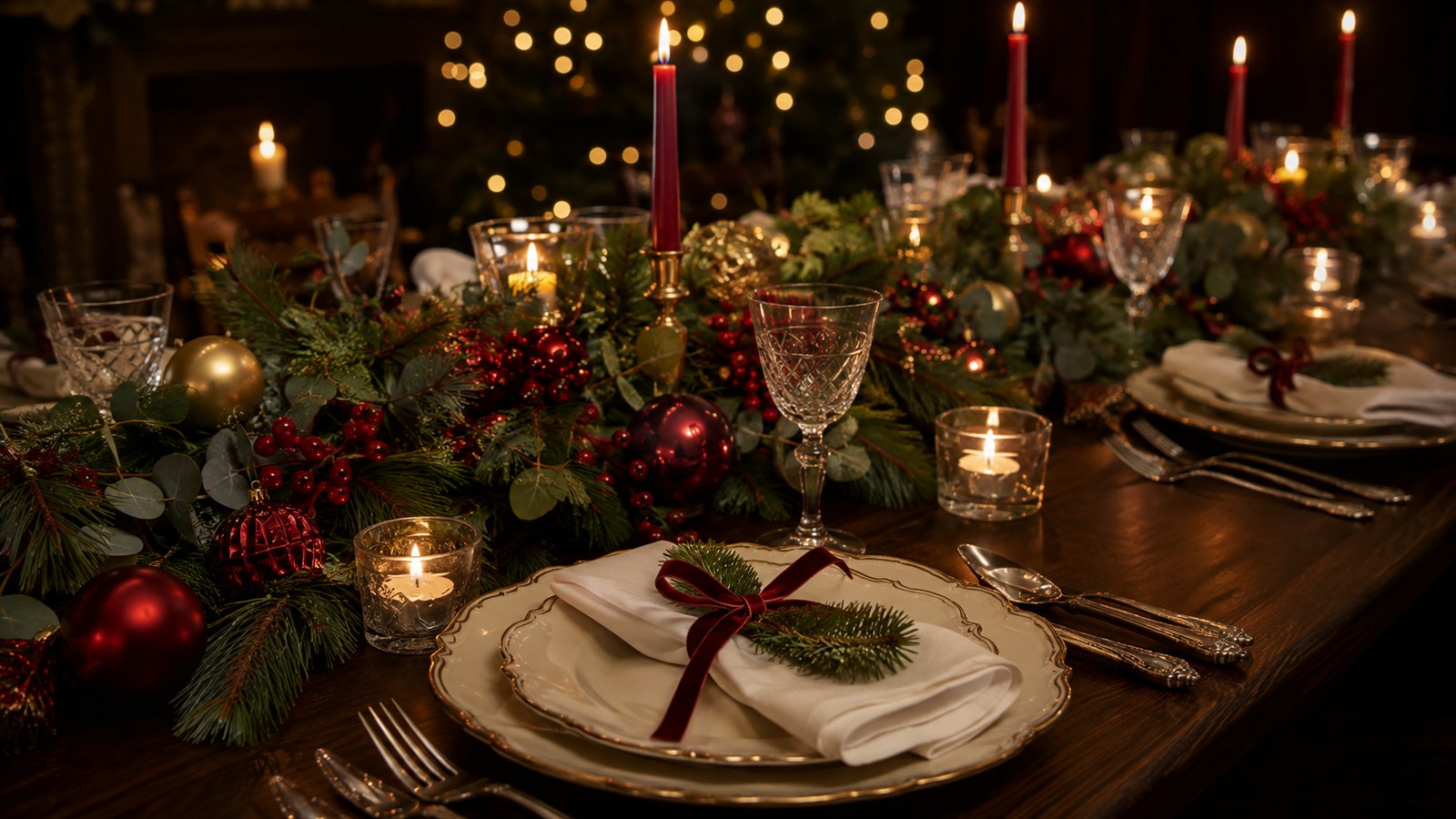
A Simple Christmas Table: Beautiful Without the Fuss
You don't need snowy pine or everything matching. A real step-by-step for a beautiful Christmas table, using what you already have at home.
The Boy in the Painting Died Before Hogarth Finished It
Hogarth painted the four Graham children in 1742. The youngest died while he was still working, and he finished the portrait as though the boy were alive.
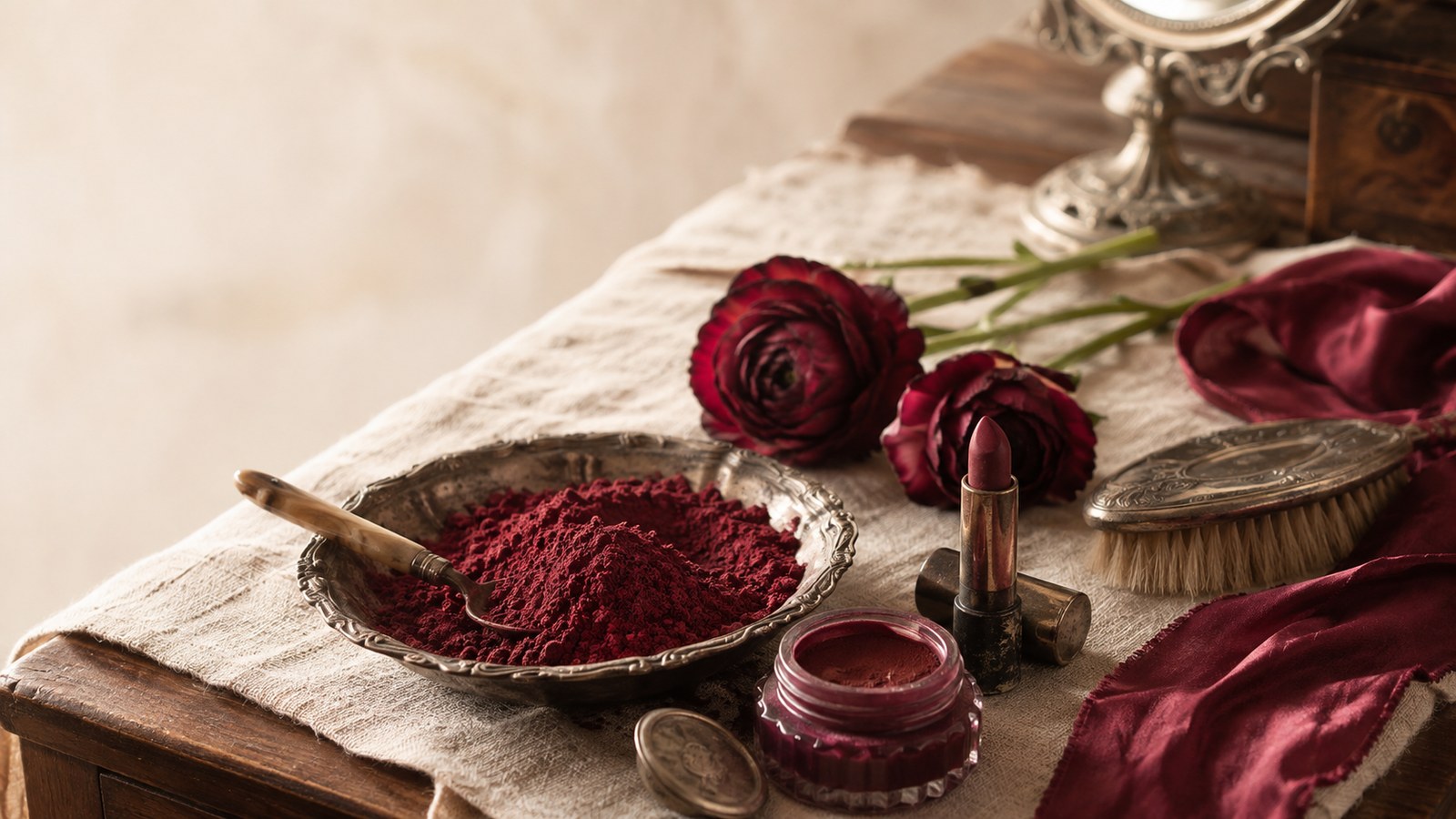
In 1650 the English Parliament Tried to Ban Blusher
The bill was read once and died there. Too late, really: red on the face is the oldest cosmetic we have.
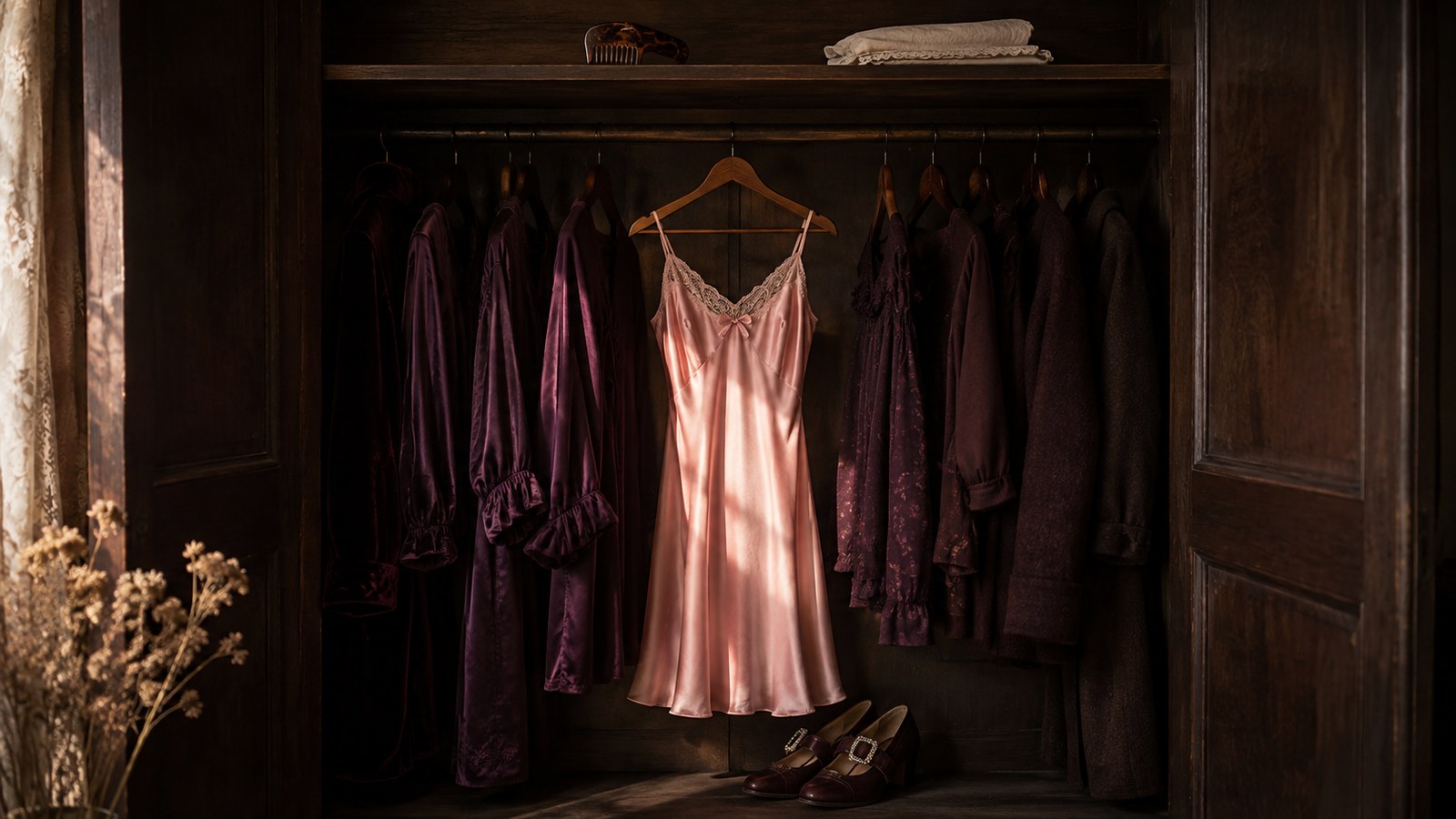
In 1937 an Italian Launched a Pink Nobody Found Sweet
Elsa Schiaparelli named the shade shocking pink. The rule that pink belongs to girls only turned up afterwards, in the 1940s.
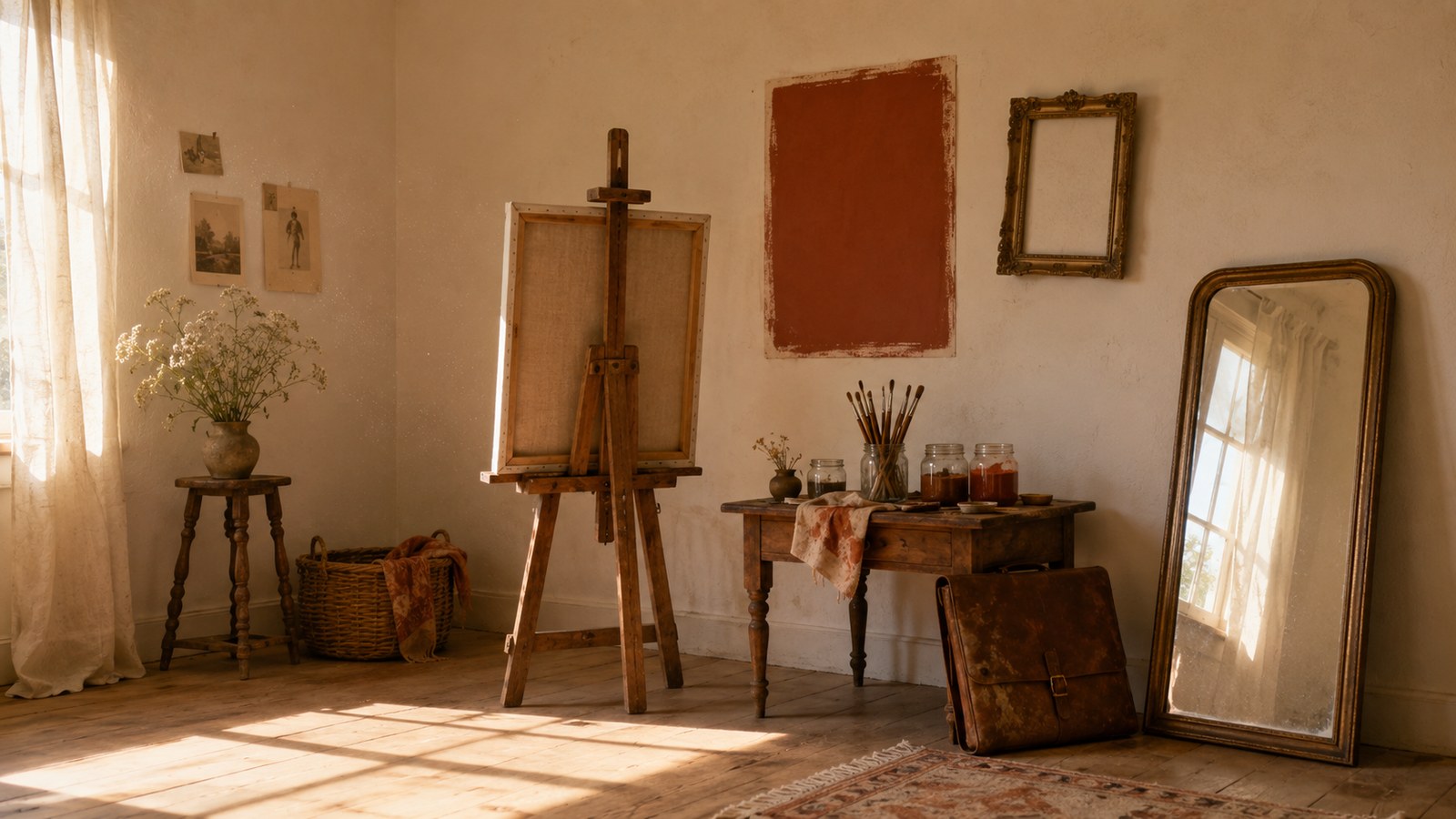
Rembrandt Painted Himself His Whole Life — and the Best-Loved Portrait Is the Least Flattering
He was around sixty, he had lost nearly everything, and he painted himself without softening a thing. It's the most revered self-portrait in art.
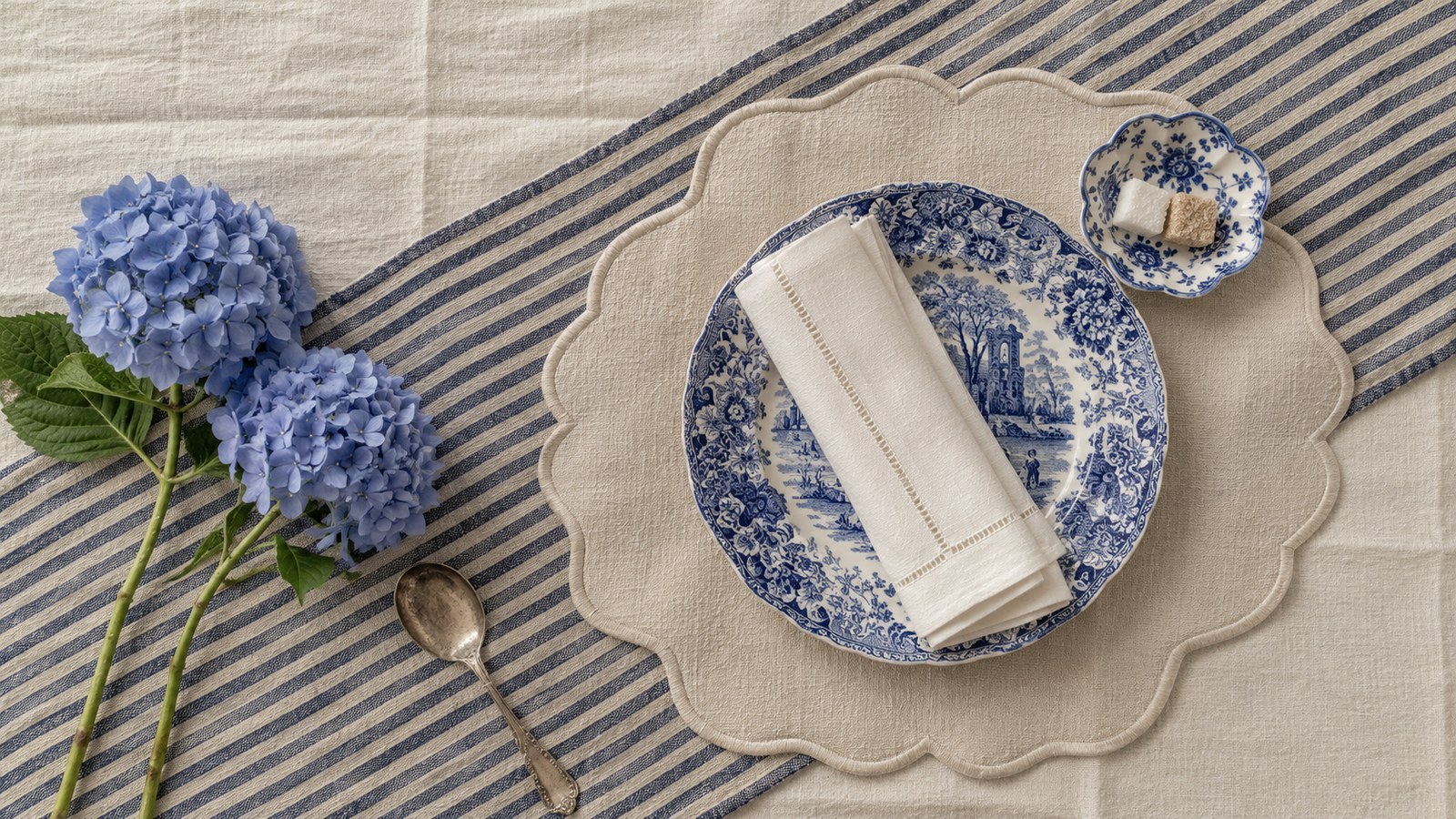
The Foundation of a Beautiful Table: The Part Nobody Compliments
Before the centrepiece and the pretty details comes the foundation — theme, colour, space and the first layer. It's what makes a table look considered.